For the last couple of weeks, I’ve been testing the outlandish Factor One. It's an aero road machine that breaks not only the conventions of modern bike design, but bike fit and geometry too.
I’m not going to get into the One’s uniqueness just yet; I’ll save that for my review – good or bad. But what my time testing this aero bike reminded me was that in the three decades I’ve been involved in reporting on bike design, it’s always, ultimately, been about the people.
You can forget CFD, simulation, computation and, more recently, artificial intelligence. What has driven the biggest and best advancements in cycling is the designers and engineers, and I’ve had the pleasure of meeting some of the best.
Mike Burrows
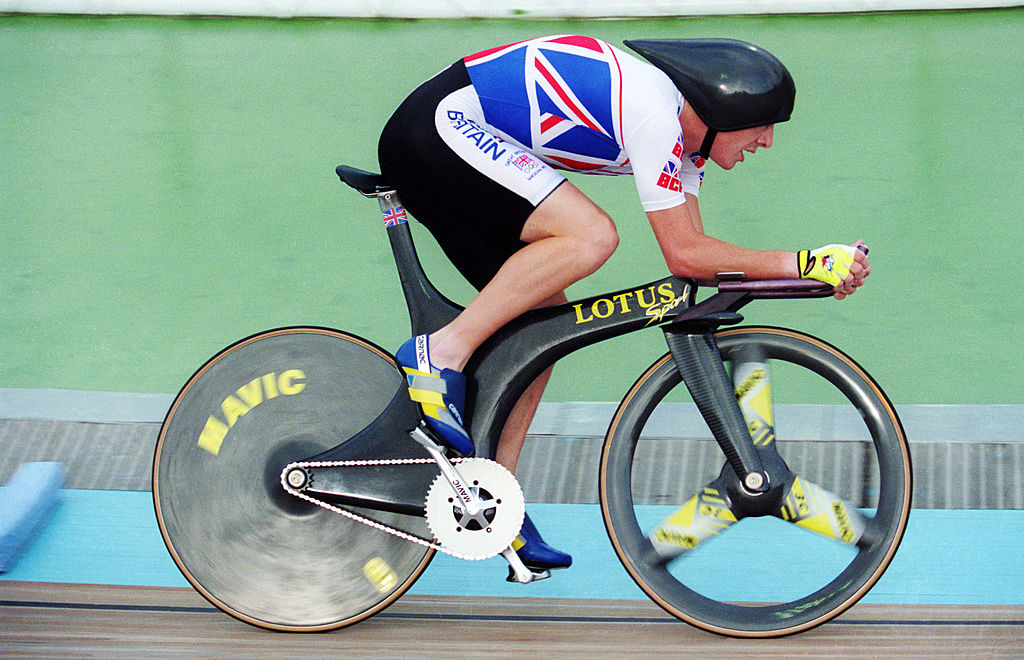
Back when I was a young upstart, I had the pleasure of spending time with the late Mike Burrows. He was the visionary talent behind Chris Boardman’s legendary Lotus bike.
When I met Mike for the first time in his Norfolk workshop, he was vehemently pushing two design directions.
Firstly, it was the wild world of recumbents. In Mike's mind, the melding of the man-based engine and the ultra-slimline recumbent bike shape resulted in the fastest bicycles on the planet. He wasn’t wrong, but it was just too forward-thinking to gain any real traction.
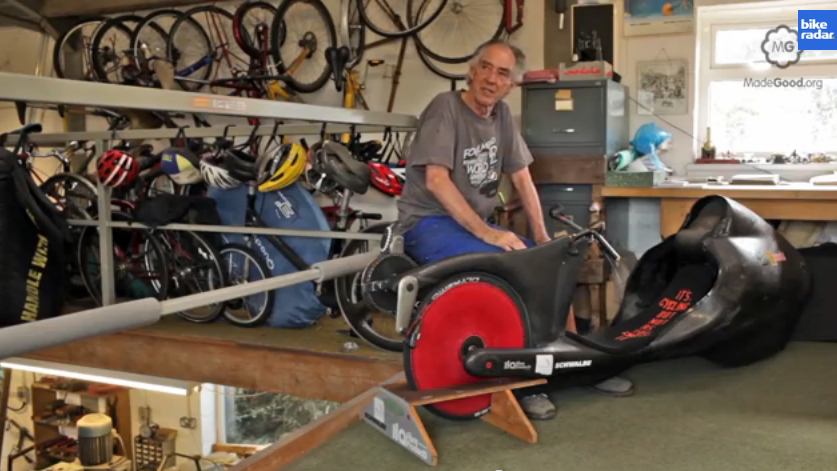
Plus, just as the UCI thwarted his radical design with the Lotus, they’d obviously never entertain anything as radical as a bike you effectively lie down to ride.
The other project Burrows championed was cargo bikes. He saw them as a low-polluting urban solution, before the electric car, van or robotic Amazon delivery system existed. Now, cargo bikes are more commonly used to provide urban deliveries, ferry kids to and from school, or for me, take my dog to nicer walking spots.
Graeme Obree
Now, I don’t think Mike Burrows would have delivered what he did with the Lotus without riders such as Chris Boardman driving him on, and that leads me to another icon of bike development I've met.
I had the privilege of chaperoning the Flying Scotsman, Graeme Obree at one of BikeRadar’s live events at Brands Hatch back in 2010.
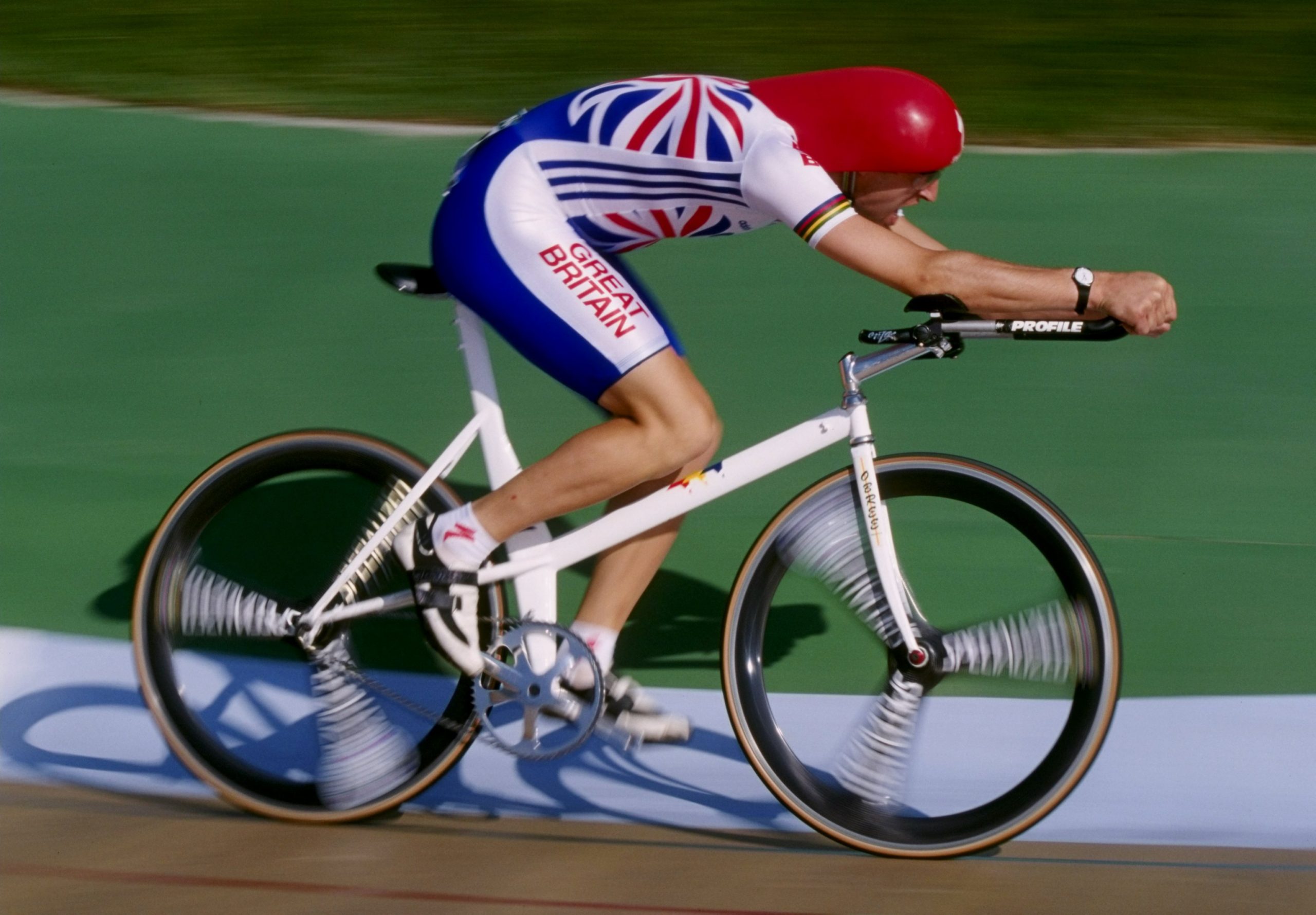
Obree epitomised the kind of athlete who completely knew and sensed his own performance levels. He developed his time trial position through trial and error. He had the insight from his incredible cycling ability to feel what was faster.
That all resulted in Obree's tuck position that emulated the stance of downhill skiers. Then, when the UCI banned his self-developed ride position, he came up with the superman position to stay within the rules and win the World Pursuit title. It was the same position Chris Boardman used to set his hour record.
There was no CFD simulation or wind-tunnel investigation, just a rider who knew if he shifted his position he’d go faster.
Nick Larsen
In more recent times, the designer Nick Larsen was so on top of the zeitgeist he changed the bike industry.
Larsen worked as designer at the traditional British bike manufacturer Pashley, probably most famous for making Royal Mail delivery bikes. He also designed some very cool mountain bike trials bikes under the Pashley TV series banner.
He then went on to create Charge Bikes, bringing the fixed-gear courier culture to the masses, and helping to make commuting by bike cool.
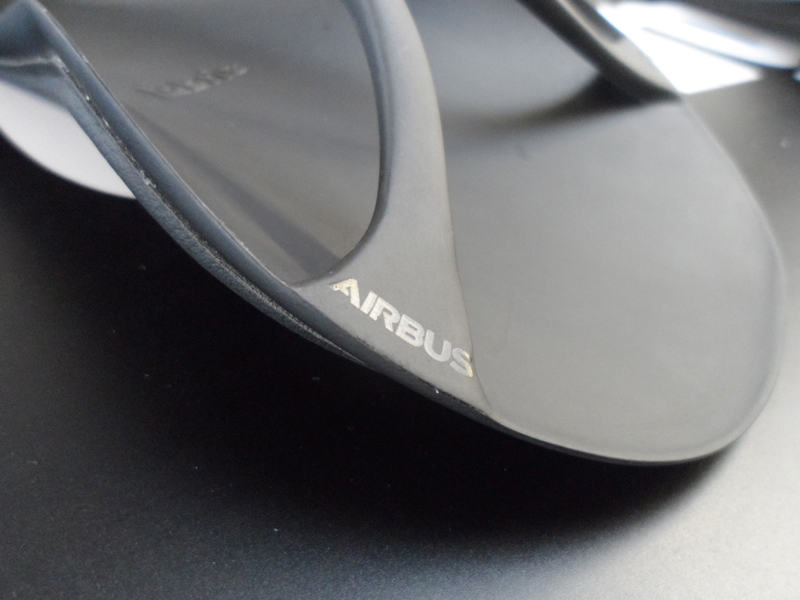
Larsen then created Fabric with its advanced saddle designs from his talented team, incorporating 3D printing and tech from the likes of Airbus into cycling.
He also has the uncanny ability to be both a progressive bike and component designer, and seriously good at marketing.
Larsen's spell at Cannondale modernised the brand, and he’s now doing great things at Leatt.
Chris Dodman
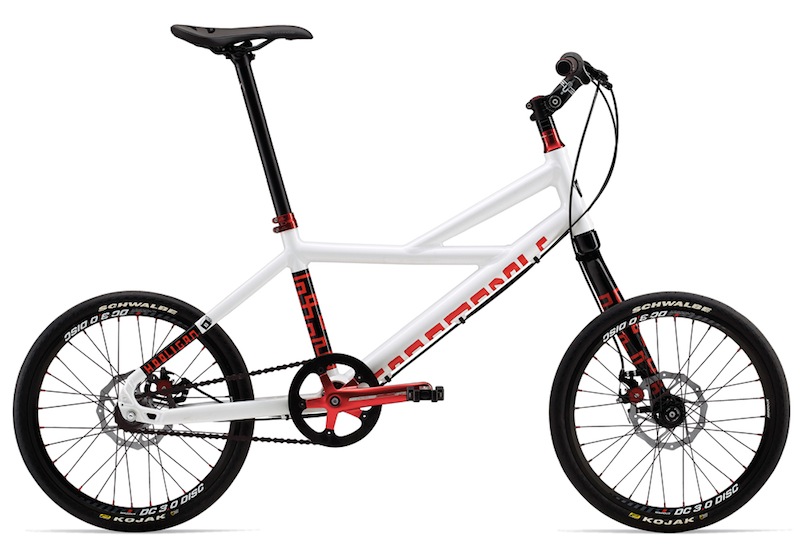
British engineer Chris Dodman is another figure who played a big role at Cannondale.
Chris started out with the British engineering company Middleburn, masterminding its incredibly sought-after (and beautiful) cranksets.
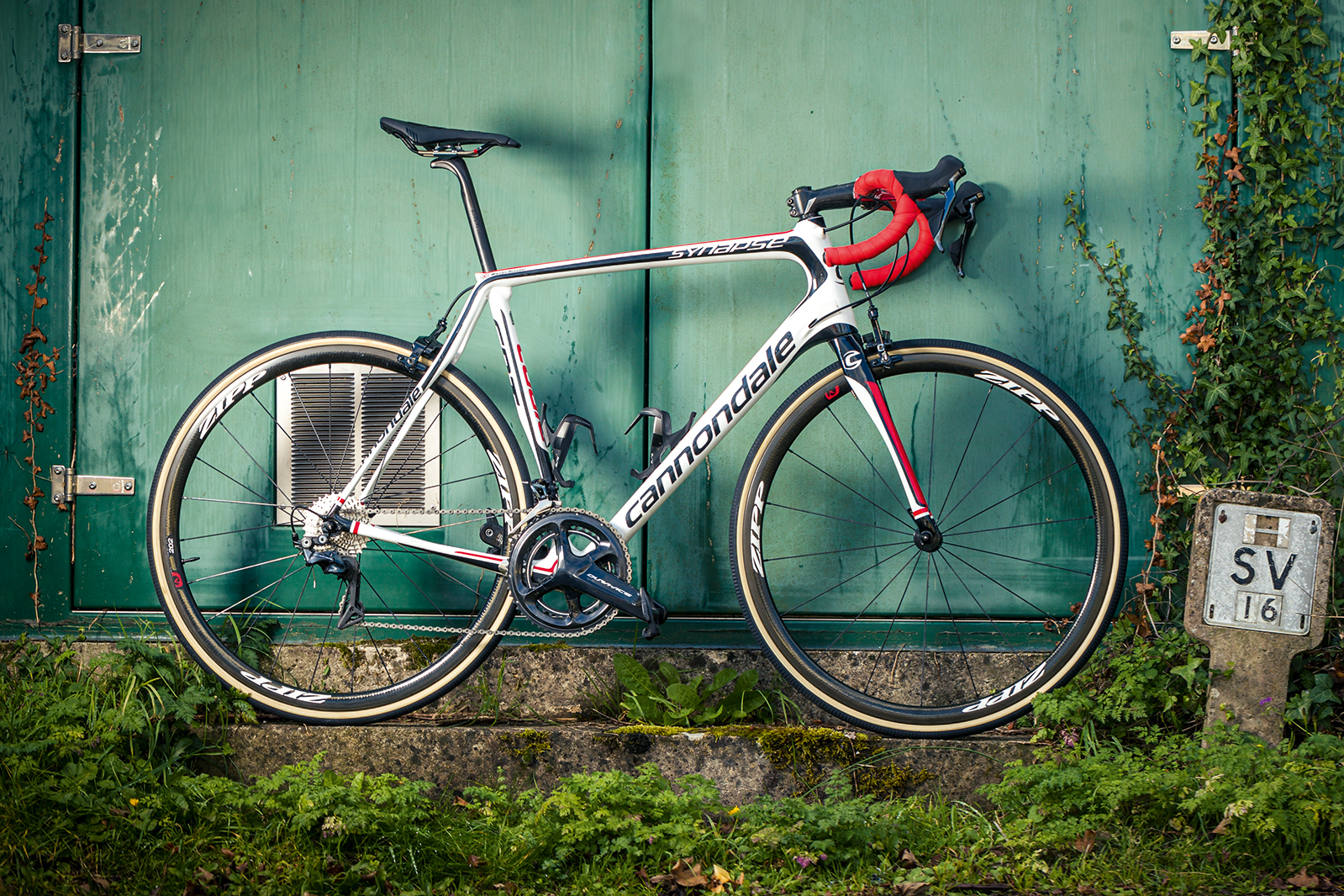
At Cannondale, he has been part of some very innovative designs. Those included the radical Saeco CAAD bikes through to the groundbreaking 2014 Synapse, and numerous mountain and urban bikes. Chris created the engineering solutions that made those bikes work.
He holds more patents than he has fingers and has an almost unique ability to think outside the box to implement the dreams of designers and engineers.
Szymon Kobyliński
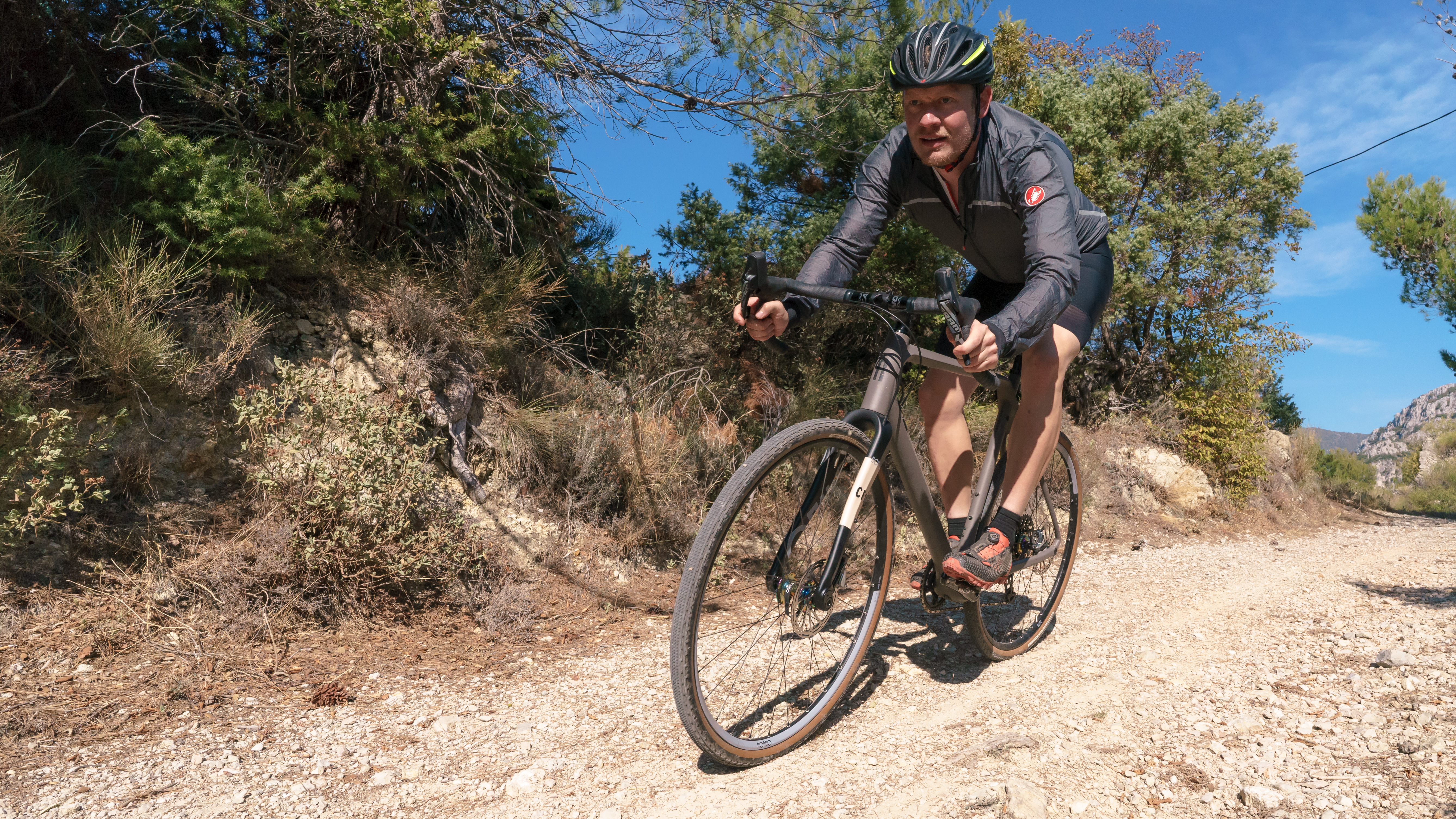
Szymon Kobyliński was originally part of the Polish band Blenders, who notched up more than 100,000 album sales and had a huge following.
While his fellow band members did the rock star thing, Kobyliński was a national mountain bike champion rider in his homeland.
Kobyliński then started NS Bikes, and later 7Anna distribution. NS Bikes focused on the (then) small dirt/gravity market and ended up making some of the most successful jump frames of all time, which dominated slopestyle competitions for years.
The company also produced downhill bikes that flew of the cliffs at Rampage and introduced the radical NS Synonym RC 1 cross-country bike, with geometry numbers unheard of at that time – but a standard in XC today.

Later with Rondo, Kobyliński and his team decided to build a company focused only on gravel, which at that time (2016) was considered a 'niche of a niche' by most industry people.
Rondo disregarded the norms of bike design and adopted a no-rules attitude, making whatever it wanted.
An aero race bike that could become an endurance bike or gravel machine? Rondo did that with the HVRT. A gravel bike that could be both racer and endurance bikepacking bike? How about the RUUT? Want an off-road focused speedster for rough terrain, with geometry unlike anything on the market? I give you the MYLC.
Szymon built Rondo around bikes he wanted to ride and I respect that. The brand may have faced financial woes after the pandemic, but Rondo is back and I’m excited to see what Kobyliński and his team comes up with next.
Graham Shrive
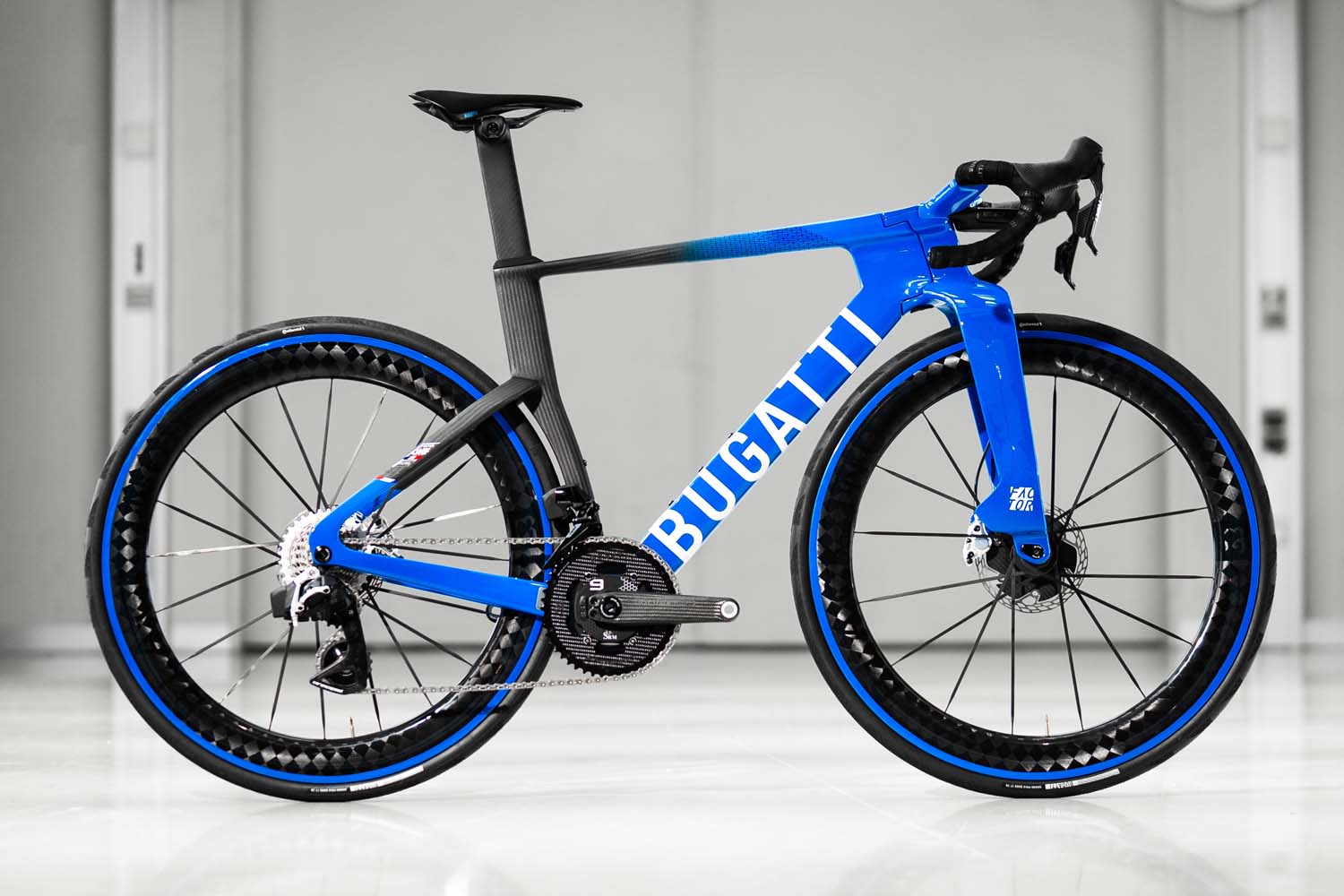
This trip through some of cycling’s most daring and innovating design engineers brings me back to the Factor One, and the man behind it: Graham Shrive.
Graham started out as an ambitious engineer at Cervélo. I first encountered him at a launch way back in 2014. At the time, most of the Cervélo crew I’d met had been knowledgeable, polite, mild-mannered Canadians.
Graham was different. He was driven and extremely outspoken. At the time, I described him as the angriest man in cycling. Now I see how he had a vision to improve bicycle design and was committed to bringing that vision to life.
On that launch, he presented the S5. It had increased stiffness, a lower weight, tweaked geometry and a radical integrated cockpit. It was an epically good bike: light, very fast and for an aero bike very easy to ride over longer distances – especially on the climbs.
Over the years, I’ve seen Shrive present everything from the lightest bike in the peloton through to gravel race bikes, and even the most advanced triathlon bike of its era, the P5X.
Now he is at Factor, and his ideas have been unleashed. It’s a receptive brand, with an ambitious design team (which he leads), and that means he’s been able to take radical ideas from sketches to production, with lots of research and of course development.
Bike design has always been driven by visionaries, be it Tullio Campagnolo and his revolutionary quick-release or Ernesto Colnago and his drive to develop race bikes. There is also Bob Parlee and his vision in pushing carbon fibre forward.
In a world where we are being told AI will solve all our problems, I still think visionary humans will drive the future of bicycle design. And maybe there’s a lesson there for other creative fields, too.