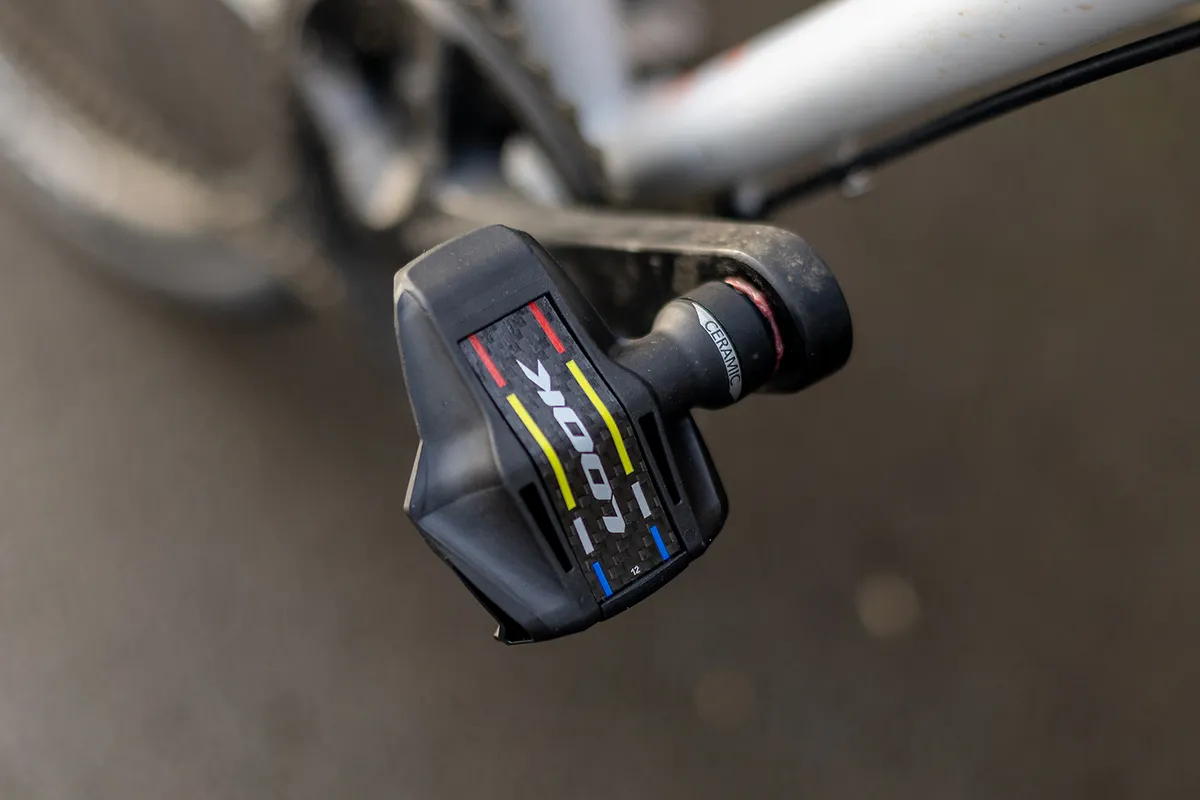
Shimano’s SPD and SPD-SL clipless pedals are a popular choice for road cyclists, mountain bikers and everyone in between. More recently, they've been joined by SPD-SLR.
Shimano SPD, SPD-SL and SPD-SLR systems hold your feet in contact with the pedals better than a flat pedal, providing a secure connection, which improves control and can potentially improve your pedalling efficiency.
But why are there three different systems for Shimano clipless pedals? And which one is likely to work better for the type of riding that you do? We’ll answer both questions in this article.
We’ll also have a quick look at pedal systems from other manufacturers.
While ‘SPD’ and 'SPD-SL’ refer specifically to Shimano’s road and mountain bike pedal systems, the terms are often used to broadly describe similar systems from other brands (and Shimano's newer SPD-SLR), even if they are incompatible with one another.
All these pedal systems are referred to as ‘clipless’ because they’ve largely replaced the earlier system of toe clips and straps, used by road racers until the 1980s. In a clipless pedal system, the pedal has a mechanism that locks it to a cleat screwed into the underside of the shoe.
Read our guide on cycling with cleats for more on how to use clipless pedals. And if you're fitting your first set of clipless pedals to your bike, read our guide on how to remove and change bike pedals.
Looking for the best pedals?
We've got guides to the best road bike pedals and best mountain bike pedals, based on reviews from BikeRadar's expert test team.
If you're looking for footwear, we've got in-depth buyer's guides on the best cycling shoes, best mountain bike shoes and best gravel shoes, as rated and reviewed by BikeRadar.
What’s the difference between SPD and SPD-SL/SPD-SLR?
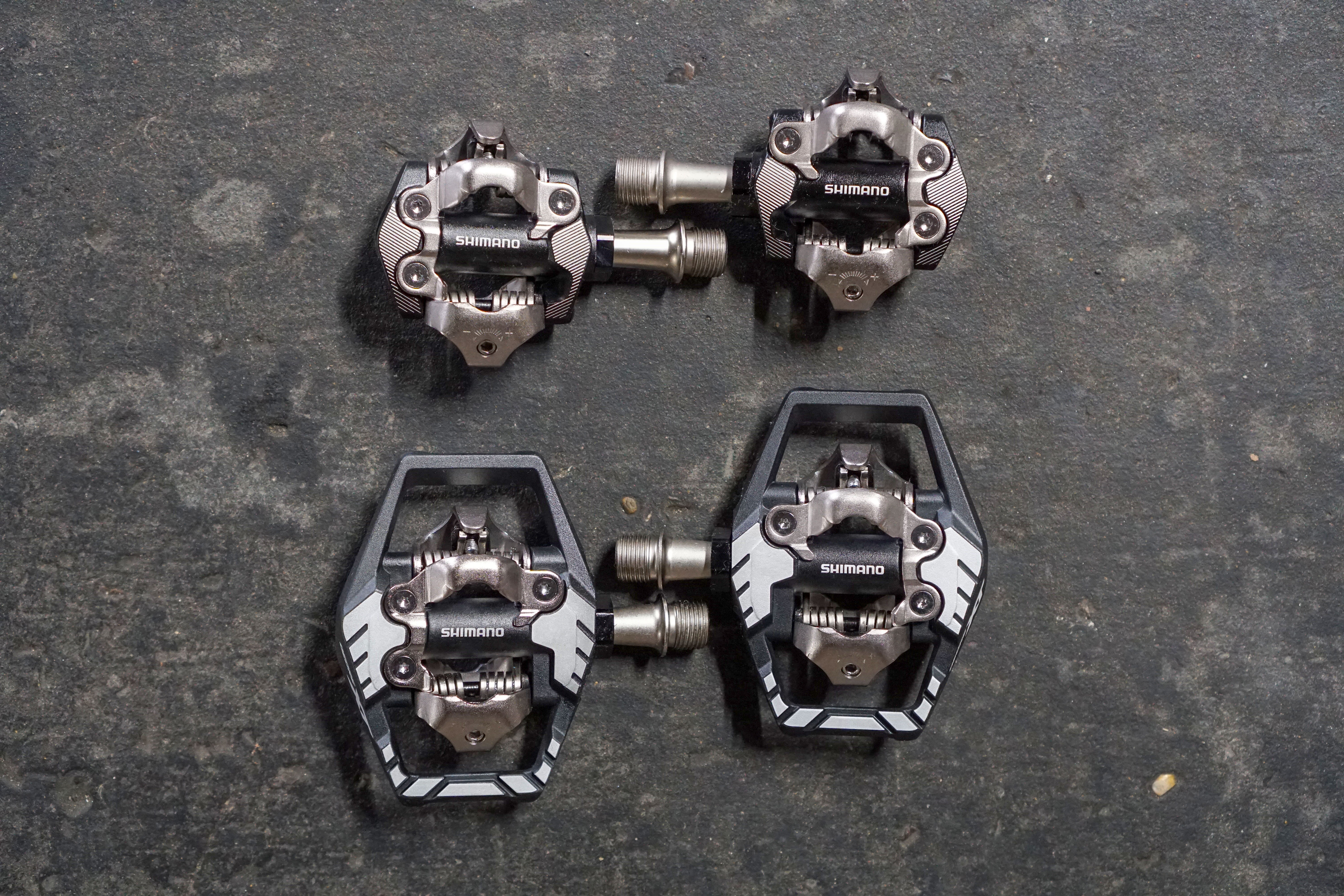
SPD stands for Shimano Pedalling Dynamics, with the SL/SLR standing for SuperLight.
That gives a clue as to the intended use of the systems.
SPD has become more or less a synonym for mountain bike pedals (and, more recently, pedals for gravel riding), while SPD-SL and SPD-SLR are mainly used for road cycling – that’s where the reduced weight comes in. But there are good reasons why you might choose to use SPD pedals on a drop-bar bike.
We’ll come on to the specific differences, and advantages and disadvantages, of the two systems.
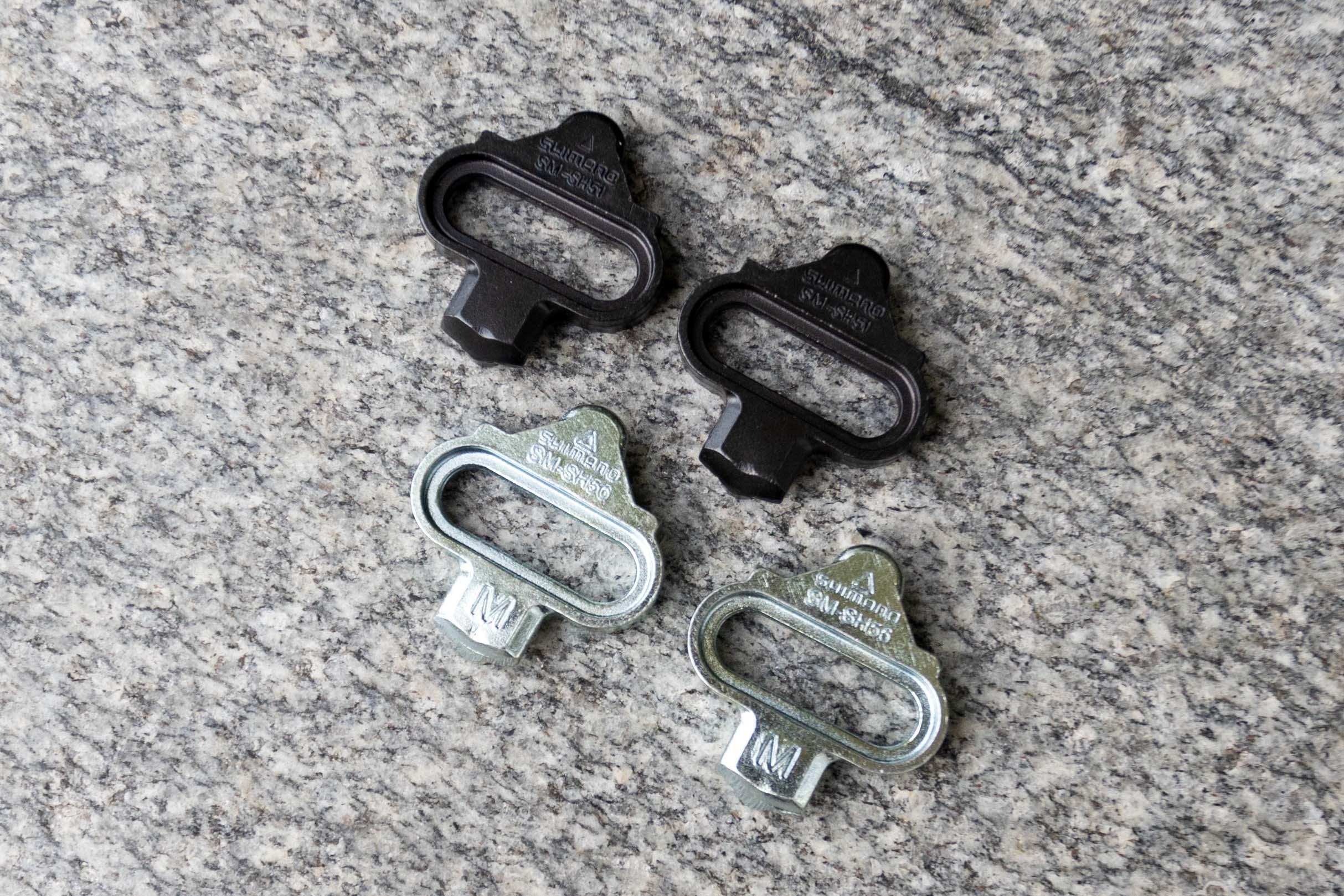
SPD cleats (the part of the system which fixes to the bottom of your shoe and ‘clips in’ to the pedal) are made of metal and are smaller than the plastic SPD-SL or SPD-SLR cleats.
SPD cleats use two bolts to fix to the shoe, so they’re often called ‘two-bolt cleats’.
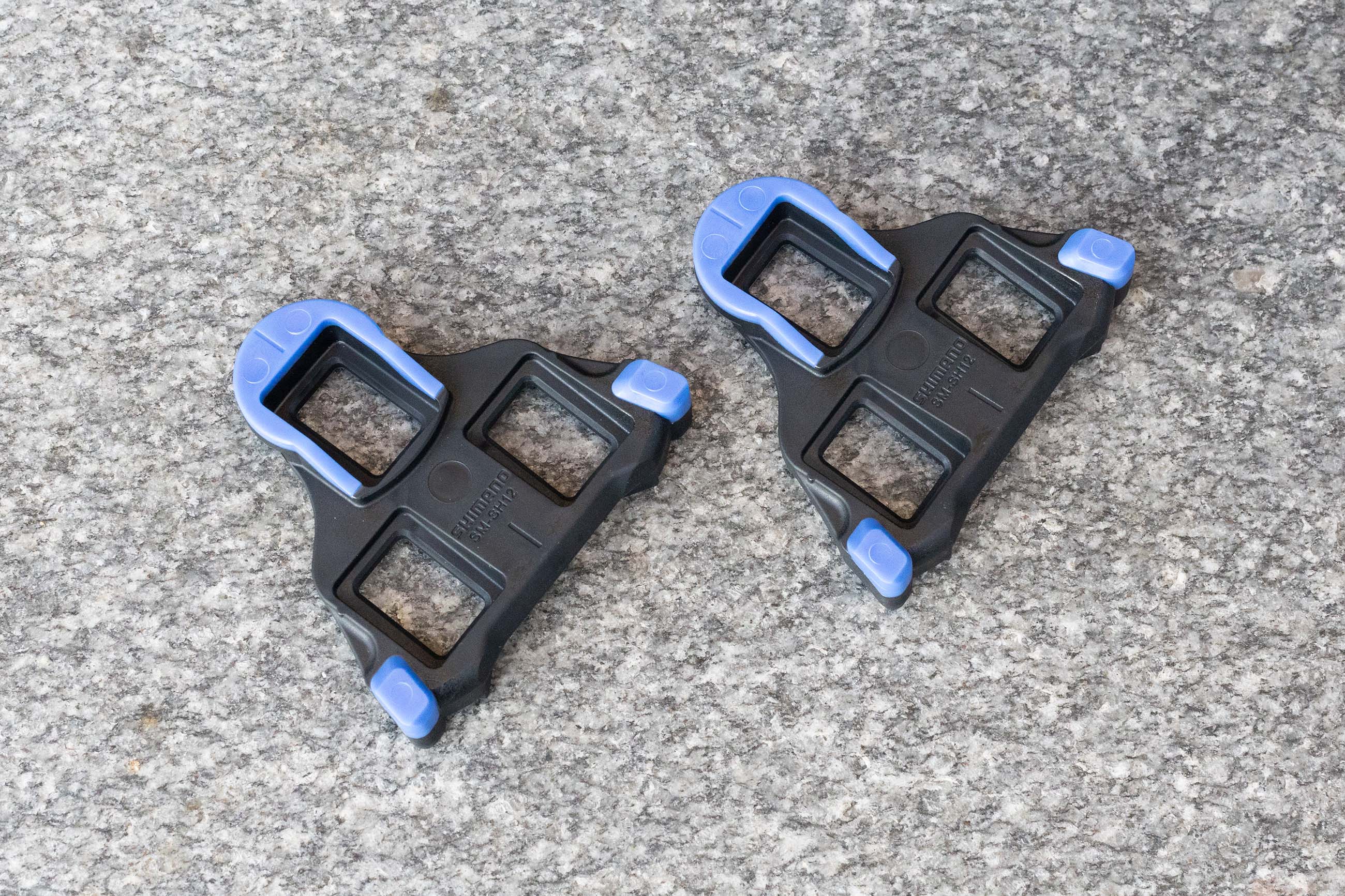
SPD-SL and SPD-SLR cleats have three points of attachment to the shoe, so they are also called ‘three-bolt cleats’. They are made of plastic to keep their weight down.
The design differences have other consequences – read on.
A bit of history
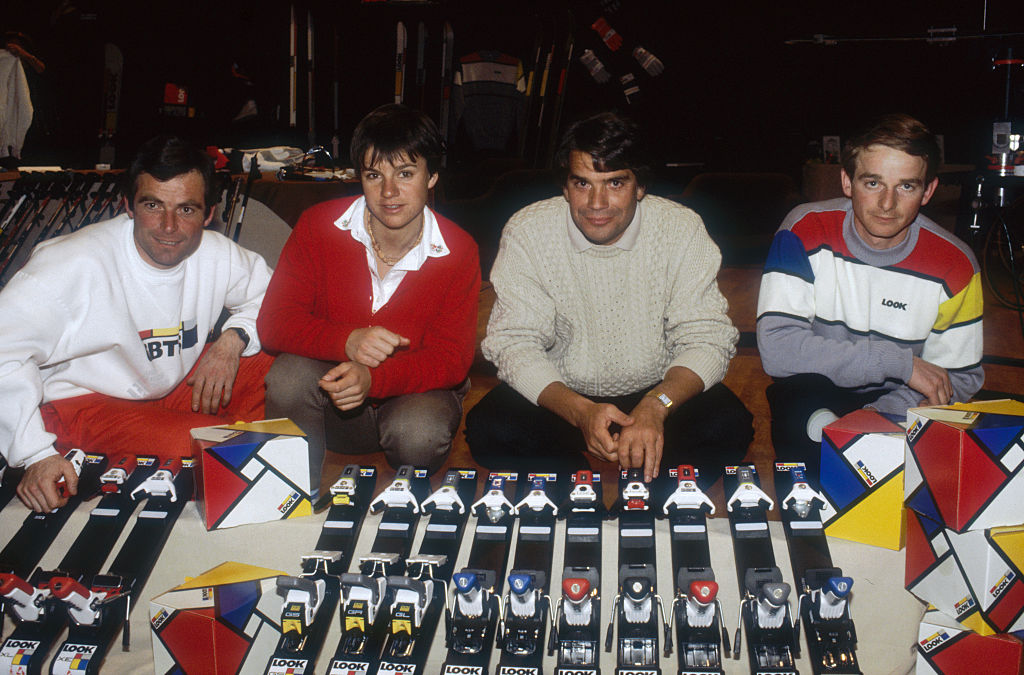
French brand Look first developed a clipless pedal system, used from 1984 by five-time Tour de France winner Bernard Hinault. With patents on its design, Look initially held a monopoly on road bike clipless pedals – it’s still the main rival to Shimano in this space today.
Shimano's first clipless pedal, the Dura-Ace 7401, arrived in 1987, with a Look-compatible cleat licensed from the French company.
The SPD-R design followed, but it wasn't until the 2003 model year, and the launch of the 7750 Dura-Ace pedal developed with input from Lance Armstrong, that Shimano landed on the SPD-SL.
In the meantime, Shimano had developed the SPD design, based on a smaller metal cleat with two points of attachment to the shoe, and first released in 1990. This was a natural fit for mountain bike riders, but didn’t work so well for performance road use, where pedalling efficiency is paramount.
Why use SPD pedals?
Double-sided entry
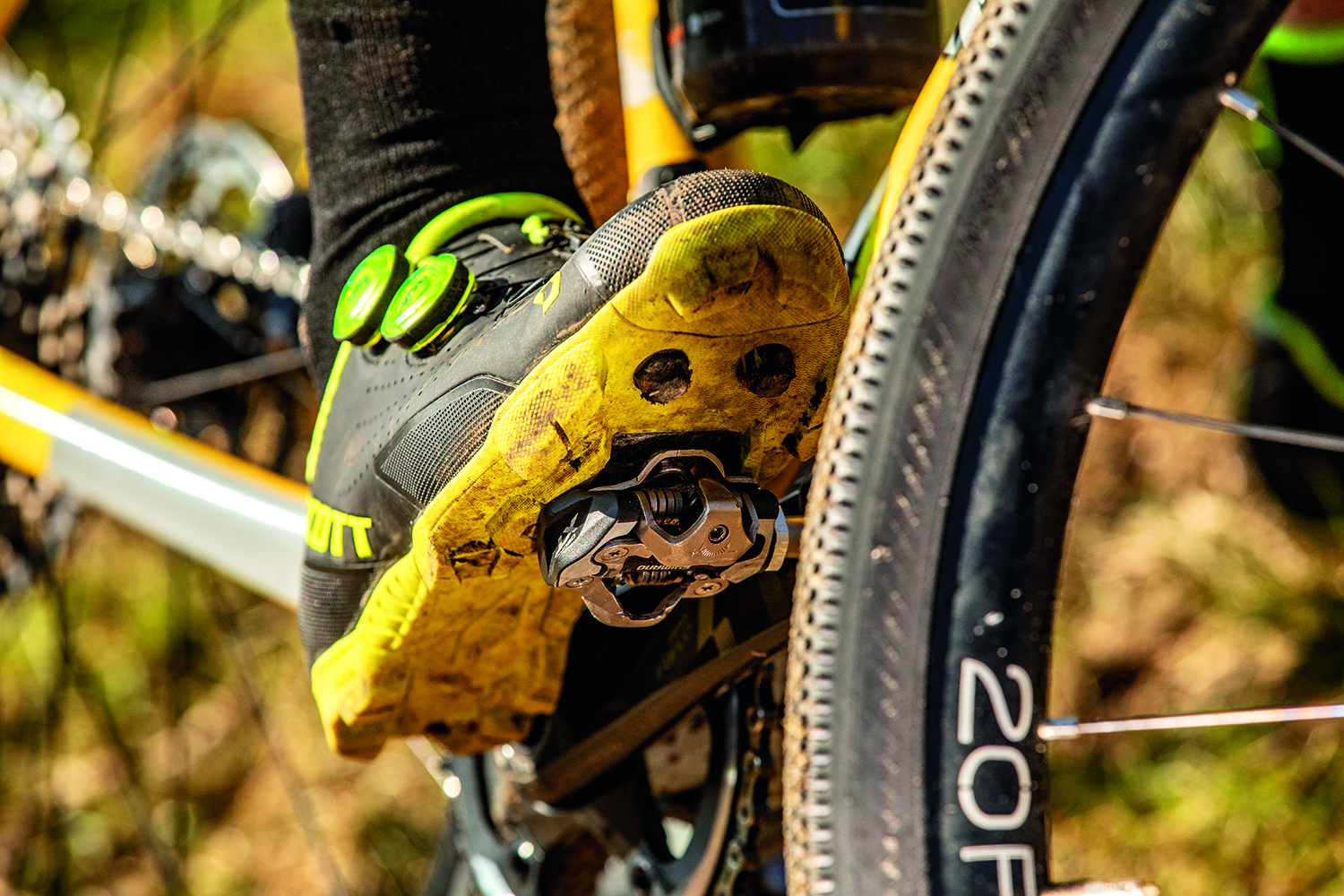
Most SPD pedals are double-sided – that means you can clip into either side of the pedal, which makes starting from stationary a lot easier.
You can adjust the release tension of the cleat using the small screw at the rear of the pedal. You need to adjust the tension on each side of each pedal independently.
Some riders prefer the additional security that comes from increased release tension, but if you’re just starting out you may want less tension.
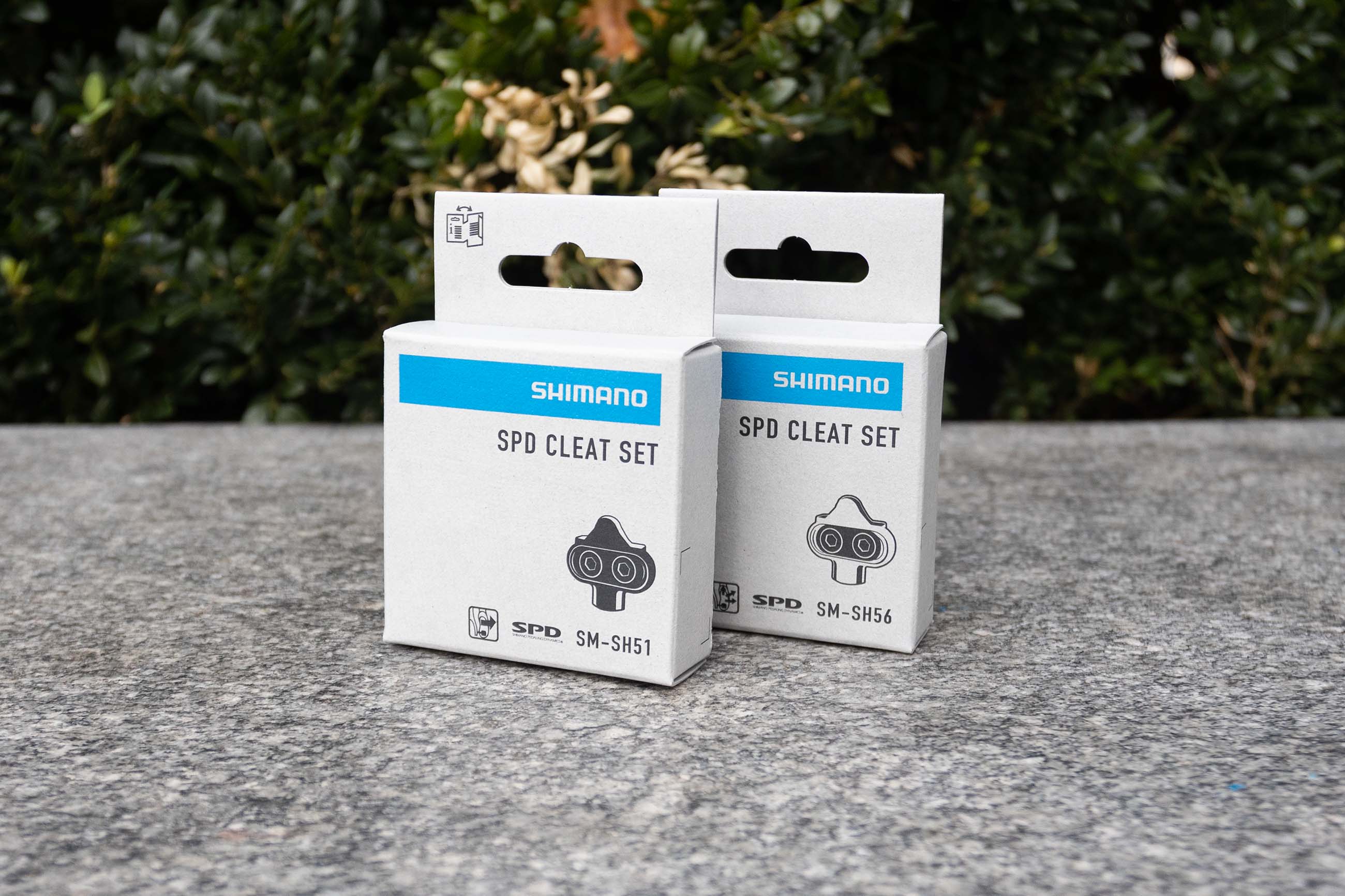
If you have backed the tension of your cleats off fully and you're still struggling with unclipping, Shimano offers three different cleats, the regular SH51 cleats, the 'multi-release' SH56 cleats and the newer MT001 cleats, which offer more freedom in how you engage the cleat with the pedal. You can read more in our Shimano SH51 vs MT001 vs SH56 cleats explainer.
Most cleats will offer some ‘float’ in the shoe-to-pedal interface, letting your feet rotate about a vertical axis without disengaging, allowing a more comfortable ride.
All SPD cleats are made of metal, so they are robust, although you may find that wear to the binding surfaces after a few years’ use means that engagement becomes less secure. It’s easy to find replacements and they are inexpensive.
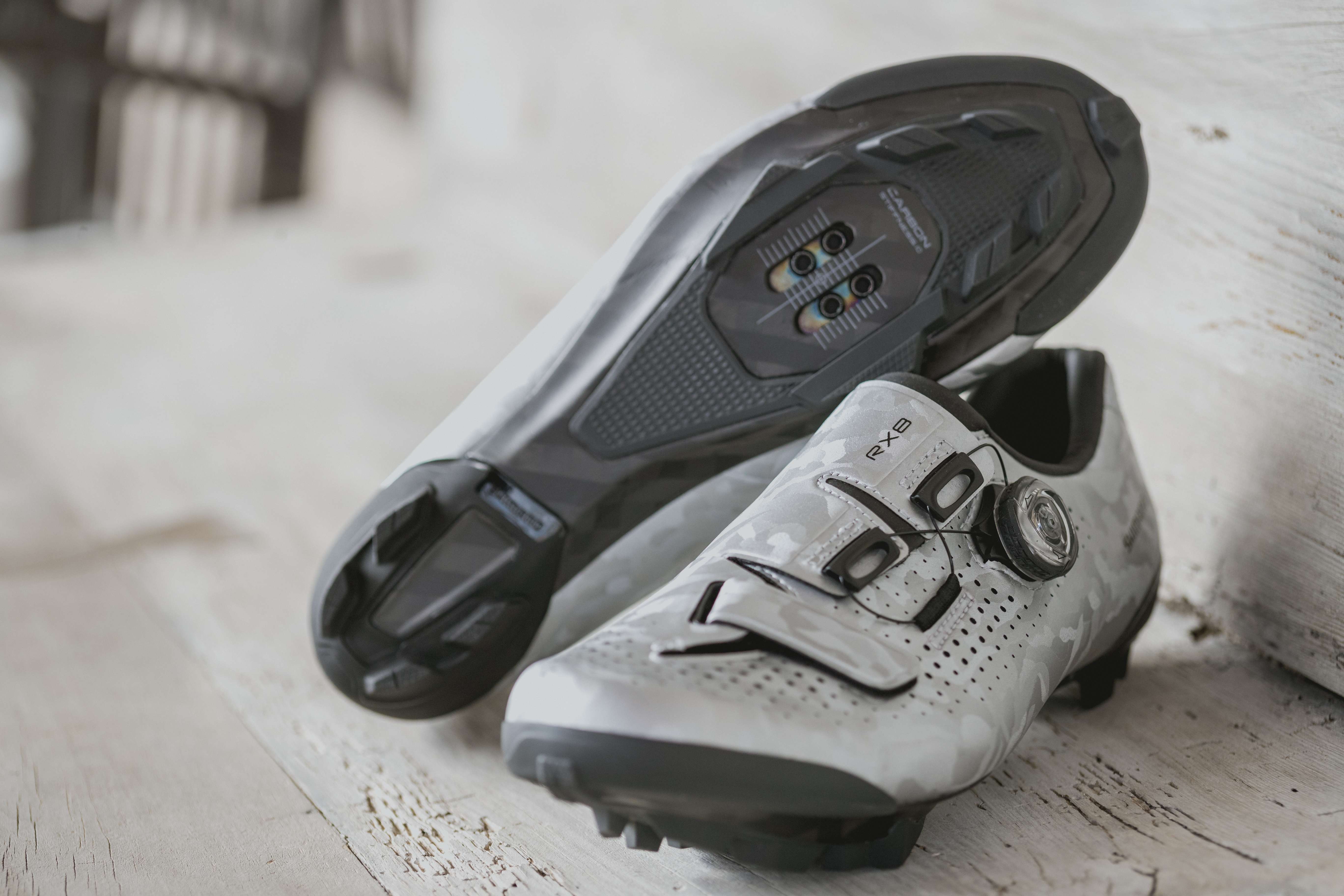
There’s some adjustability in cleat position on the shoe because the mounting hardware is on a separate plate within the shoe’s sole. The bolt holes in the cleat itself are designed to allow a bit of leeway in where you position it.
Confusingly, Shimano also sells a few single-sided SPD designs in its range, including the Ultegra (PD-ES600) road pedal, aimed at riders who want an SPD cleat interface but with a wider platform.
These, however, are a rarity and the bulk of Shimano’s road pedal range uses the SPD-SL design, although this is likely to gradually be replaced by SPD-SLR.
Walkable cleats
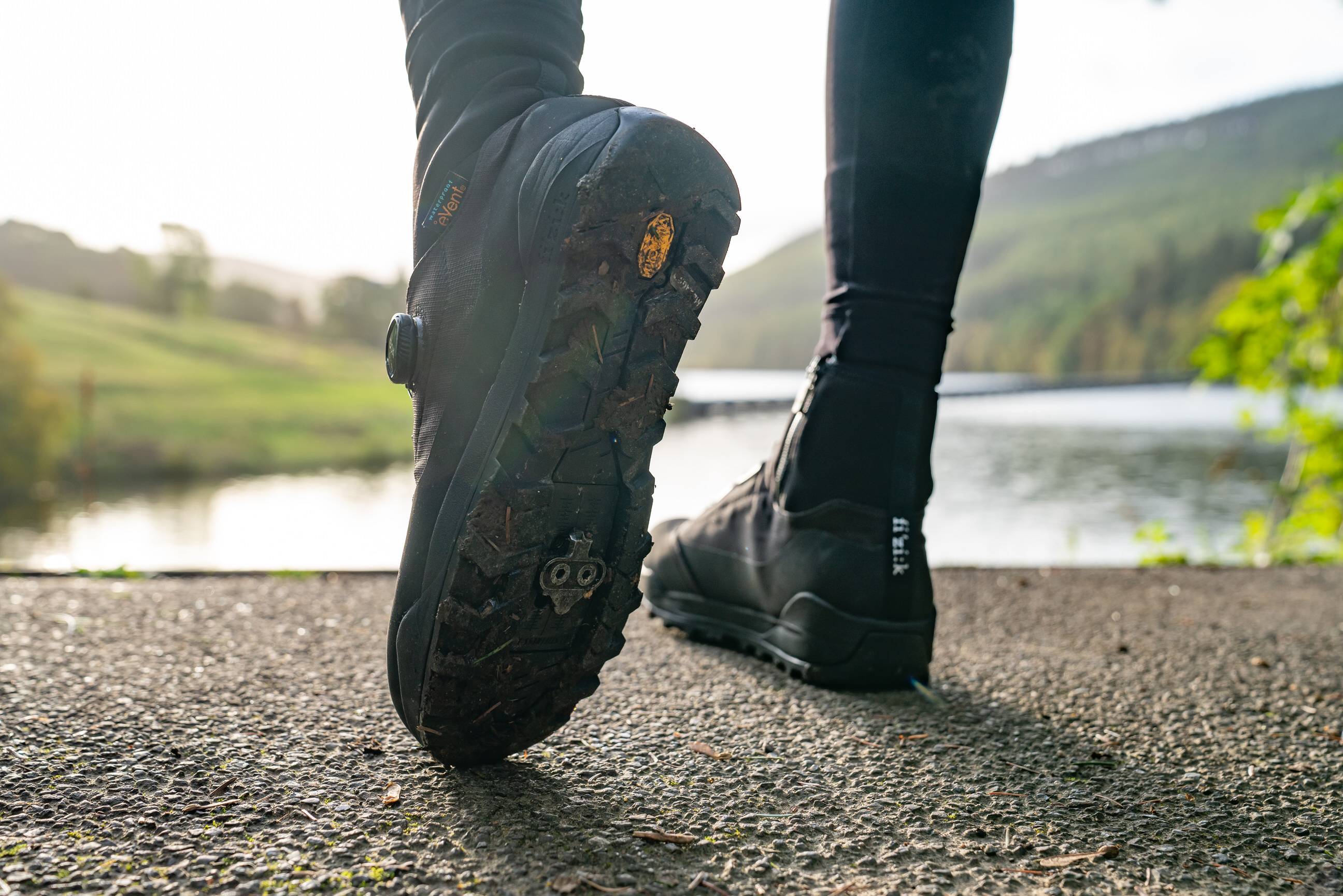
A key advantage of the small SPD cleat is that it is easy to walk in when you’re off the bike.
Most shoes for two-bolt cleats include a tread on the sole, and the cleat is recessed, so you’re walking on a large, grippy area on the bottom of the shoe, not the actual cleat (as is the case with the SPD-SL and SPD-SLR designs).
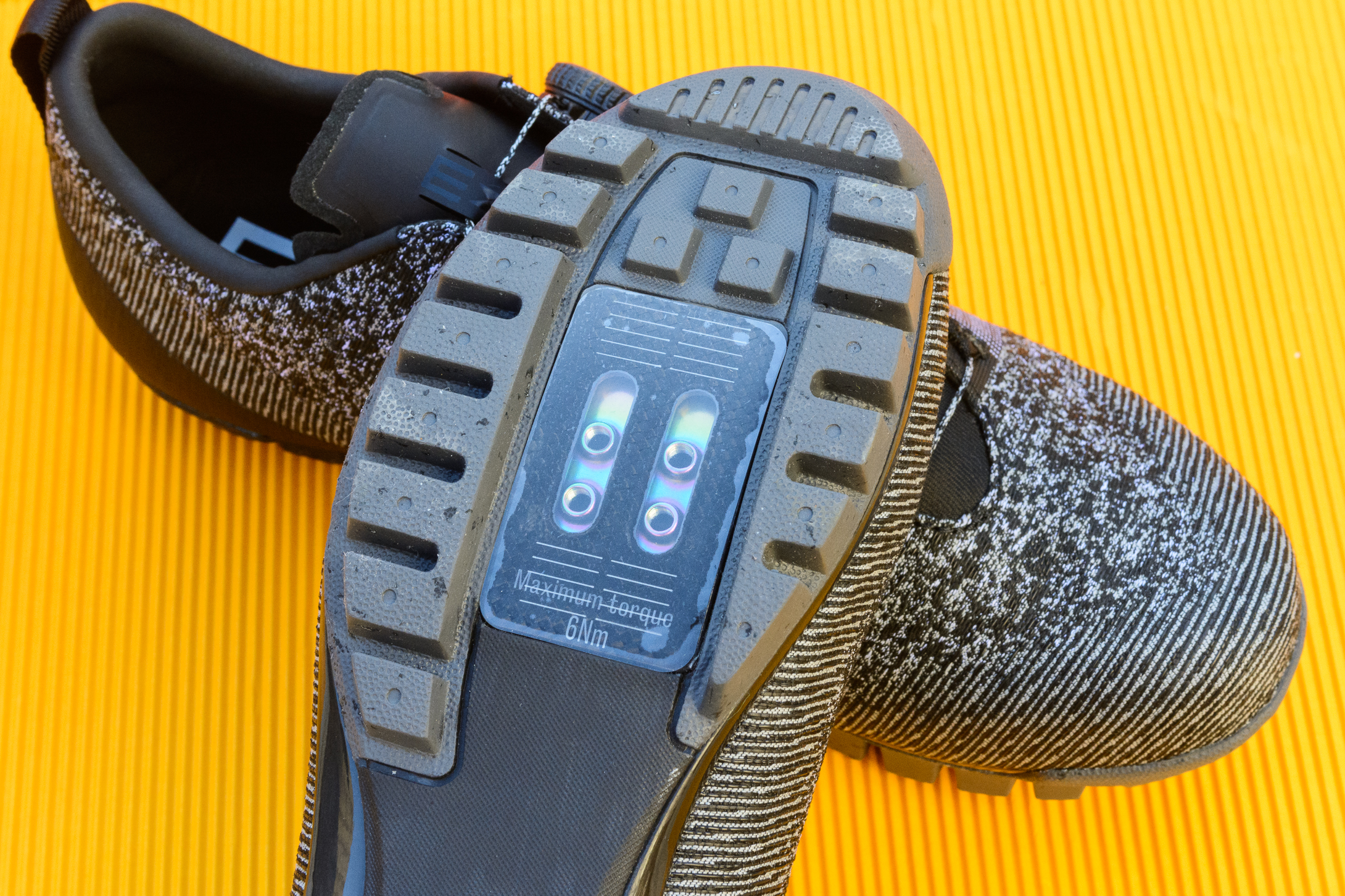
If you expect to walk a significant amount, SPD pedals are the right choice. The sole’s tread means that you shouldn’t slip on smooth surfaces and makes for plenty of grip if you have to walk or climb when riding off-road too.
SPD pedals are a good choice for cycling to work too, because you will typically be putting a foot down at traffic lights and walking to bike sheds at the beginning and end of the ride. They’re also good for touring bikes, when you will want to be able to walk around during stops and for winter riding, when surfaces can be slippery when walking.
Mud-shedding
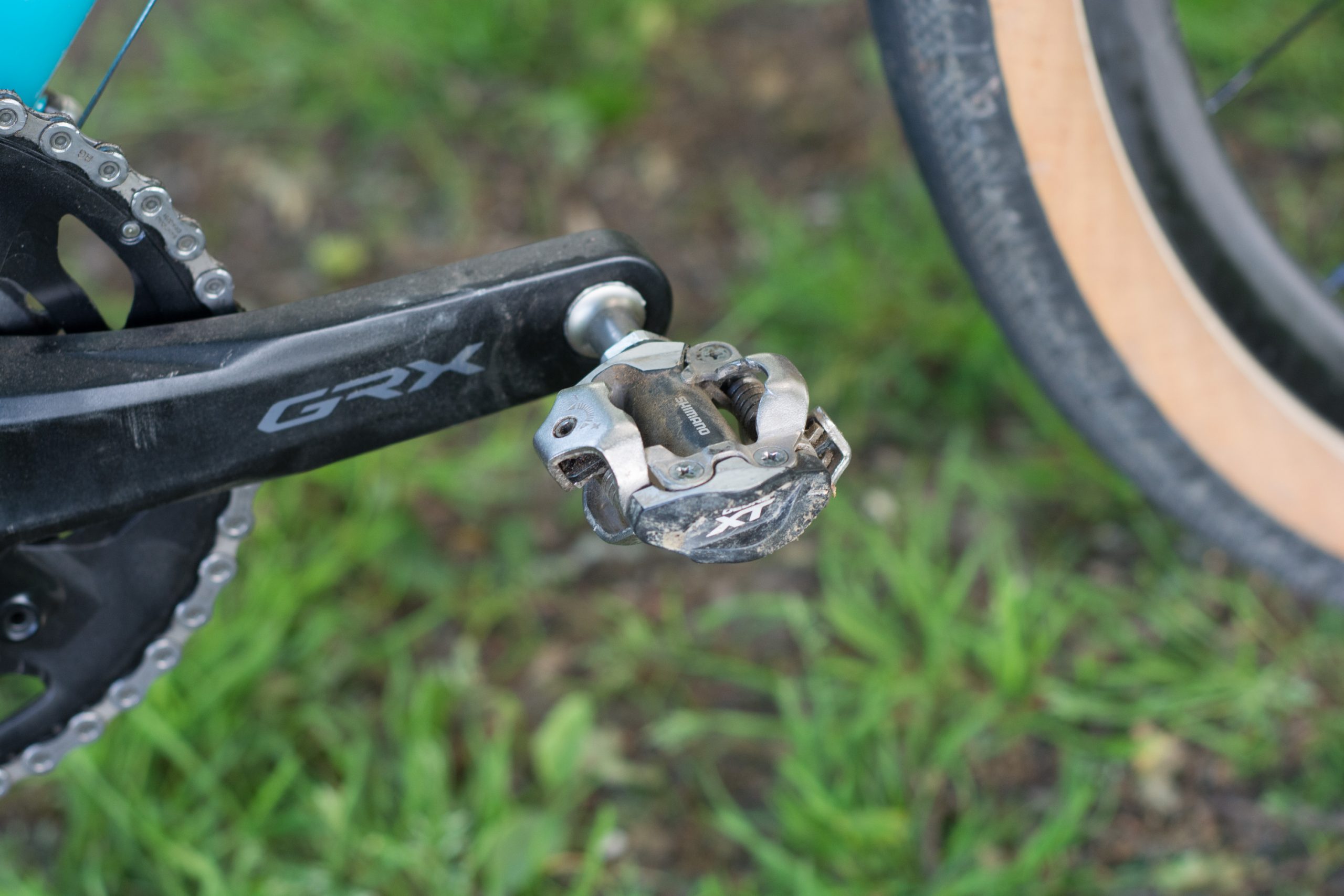
Off-road use also means SPD pedals are designed to shed mud.
Most SPD pedals have an open construction with a large gap in the centre, so that any mud that accumulates on the bottom of the shoe will fall off and not interfere with pedal engagement or pedalling efficiency.
The resistance to clogging and walkability make SPD pedals the natural choice for cyclocross racing, as well as mountain biking. They are also typically used by gravel bike riders.
SPD pedals are a good choice for your first pair of clipless pedals and for casual use, if you’re nervous about making the switch from flat designs.
It’s worth roadies considering buying a set of winter SPD boots and pedals for cold and wet riding, when muddy, wet or icy surfaces are common and there’s more chance of muck being kicked up by your wheels to clog your cleats.
Shimano makes some SPD pedals with a very small surface area, to maximise mud-shedding. There are also designs in which there’s more of a platform to the pedal, increasing the size of the interface to the sole of the shoe and making it easier to ride with the shoe resting on the pedal without clipping in.
You can add thin shims between the cleat and the shoe, to optimise the connection between the shoe and the pedal surface, if engagement is difficult.
Why use SPD-SL or SPD-SLR pedals?
Bigger pedal platform
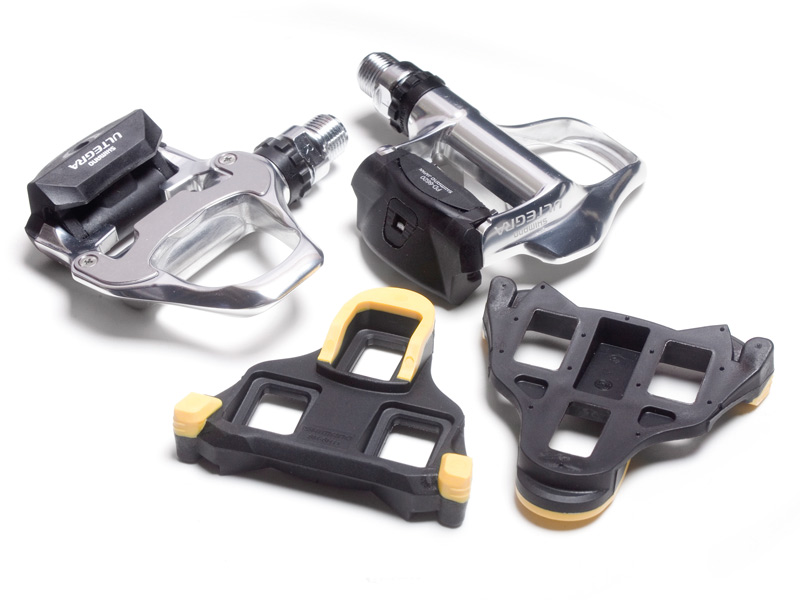
The SPD-SL and SPD-SLR formats are all about low weight and power delivery.
With a wider pedal body and the significantly larger interface between the pedal and the cleat on your shoe, the foot is held more firmly in place and there's a much bigger platform – ideal when sprinting.
The designs use a large plastic cleat, with the three bolts on the underside of the shoe widely spaced for a secure attachment to the shoe. Although they look similar and the cleats have the same colour coding, SPD-SL and SPD-SLR pedals and cleats are incompatible with each other.
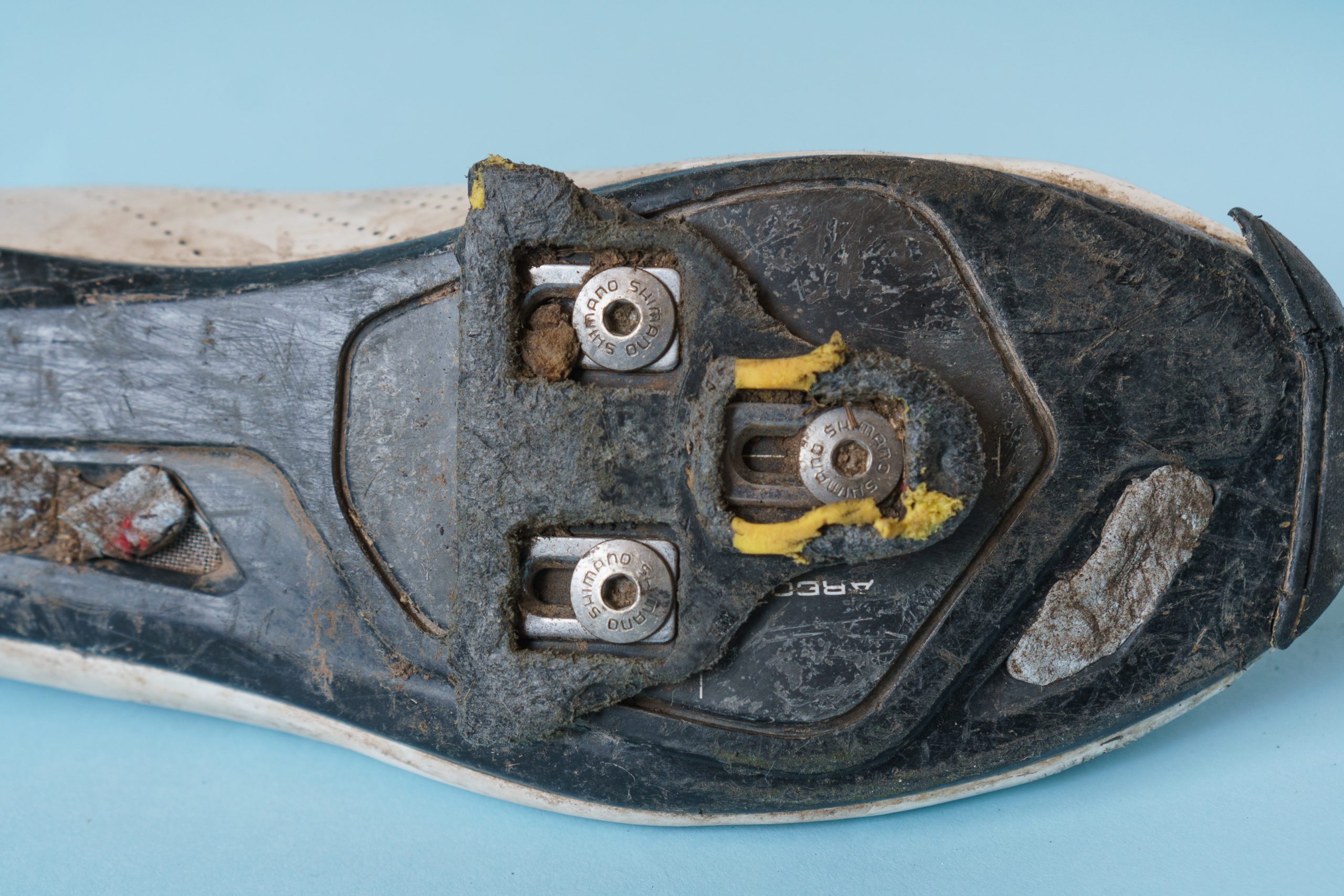
The large cleat makes walking in your shoes awkward though. You end up waddling and if a surface is wet, you can easily slip. Plus shoes for road cycling have no grip on the soles, except a small pad at the toe and heel to reduce wear.
The cleats tend to wear more quickly than SPD ones too, and need more regular replacement, although again they are not expensive.
If you do walk in any mud, the deeper binding surfaces on SPD-SL and SPD-SLR pedals tend to get clogged up and your cleats can fail to engage properly with the pedals.
So SPD-SL and SPD-SLR pedal systems are designed for the rider who wants to cover long distances on the road and doesn’t expect to need to put a foot down or walk too much.
Single-sided entry
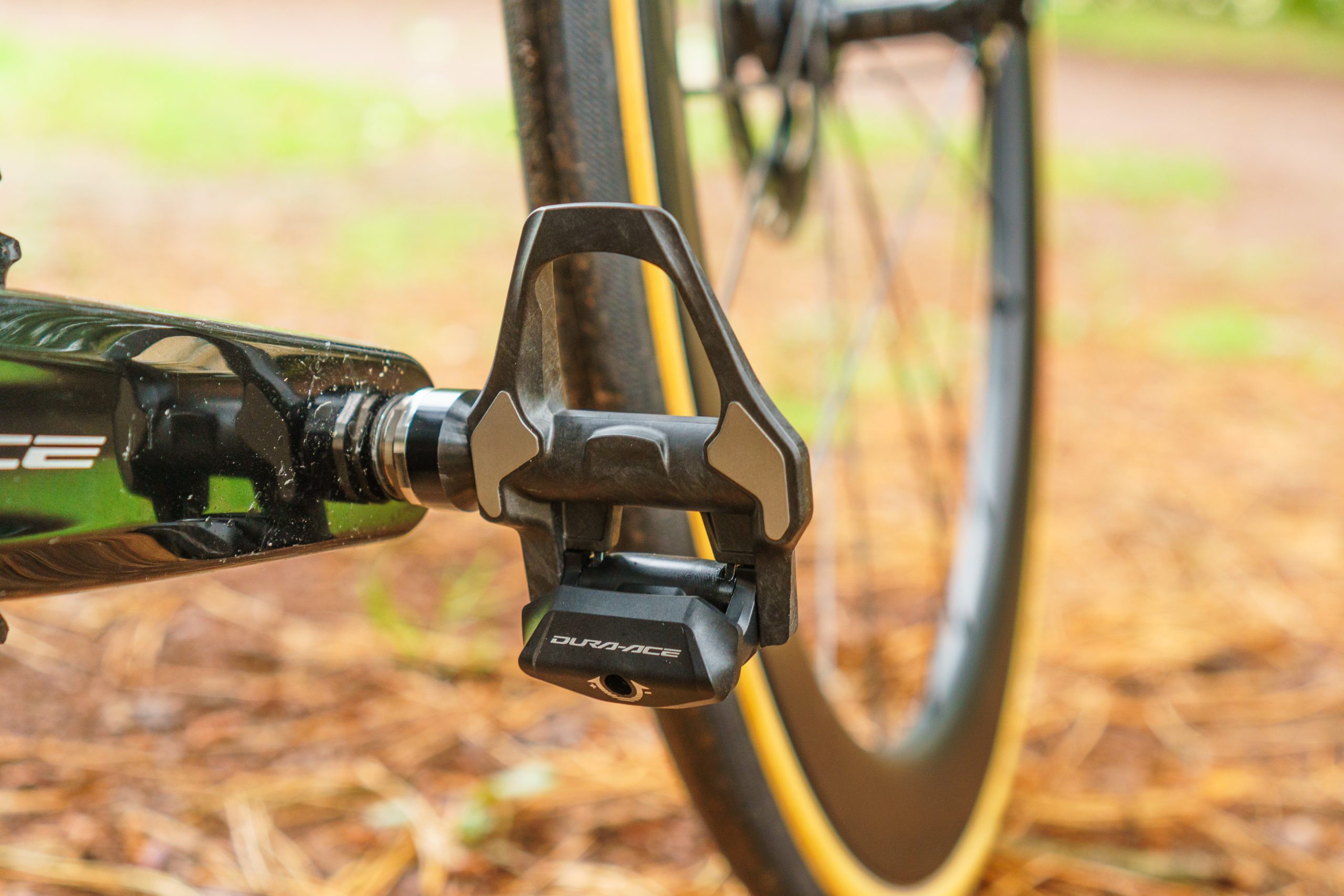
SPD-SL and SPD-SLR pedals are single-sided. They naturally rest pointing obliquely downwards, so clipping in is more of an art than with SPD pedals, involving flipping the pedals over with your toes as you start to ride and accurately engaging the cleat with the pedal’s top surface.
It’s something that requires practice to get right, but once mastered becomes second nature.
Some riders find disengagement with SPD-SL and SPD-SLR cleats slightly harder than with SPD pedals, but tension can be adjusted to suit. Beginners and commuters are also likely to prefer the double-sided design of SPD pedals, particularly when navigating busy junctions and road traffic.
Otherwise, another advantage of SPD-SL and SPD-SLR pedals for the road rider is their lighter weight – typically between 50g and 100g a pair less than SPD pedals at a similar price. Top-end Shimano road pedals have carbon fibre bodies.
Adjustability
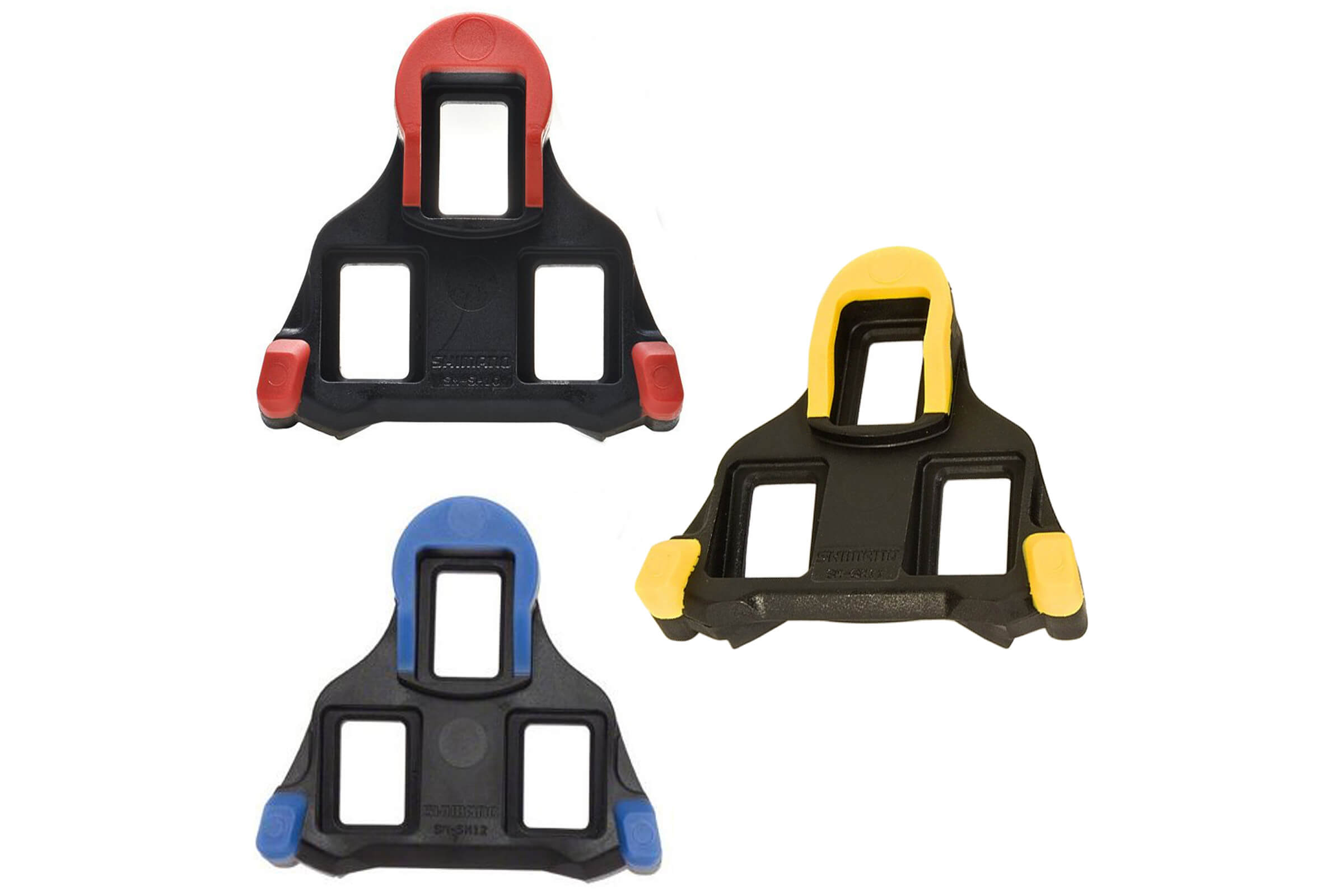
As with SPD pedals, you can alter the release tension of SPD-SL and SPD-SLR pedals by tightening or loosening an Allen key bolt in the back of the pedal. You can also select the amount of rotational float between the shoe and the pedal by choosing a different cleat, identifiable by its colour.
The most common yellow Shimano cleats offer 6 degrees of float. For less lateral movement, you can fit blue cleats, which have 2 degrees float, while the red-bodied cleats have no float for a fixed foot position. SPD-SLR offers an additional grey cleat for riders who need extra adjustability to get the correct cleat position.
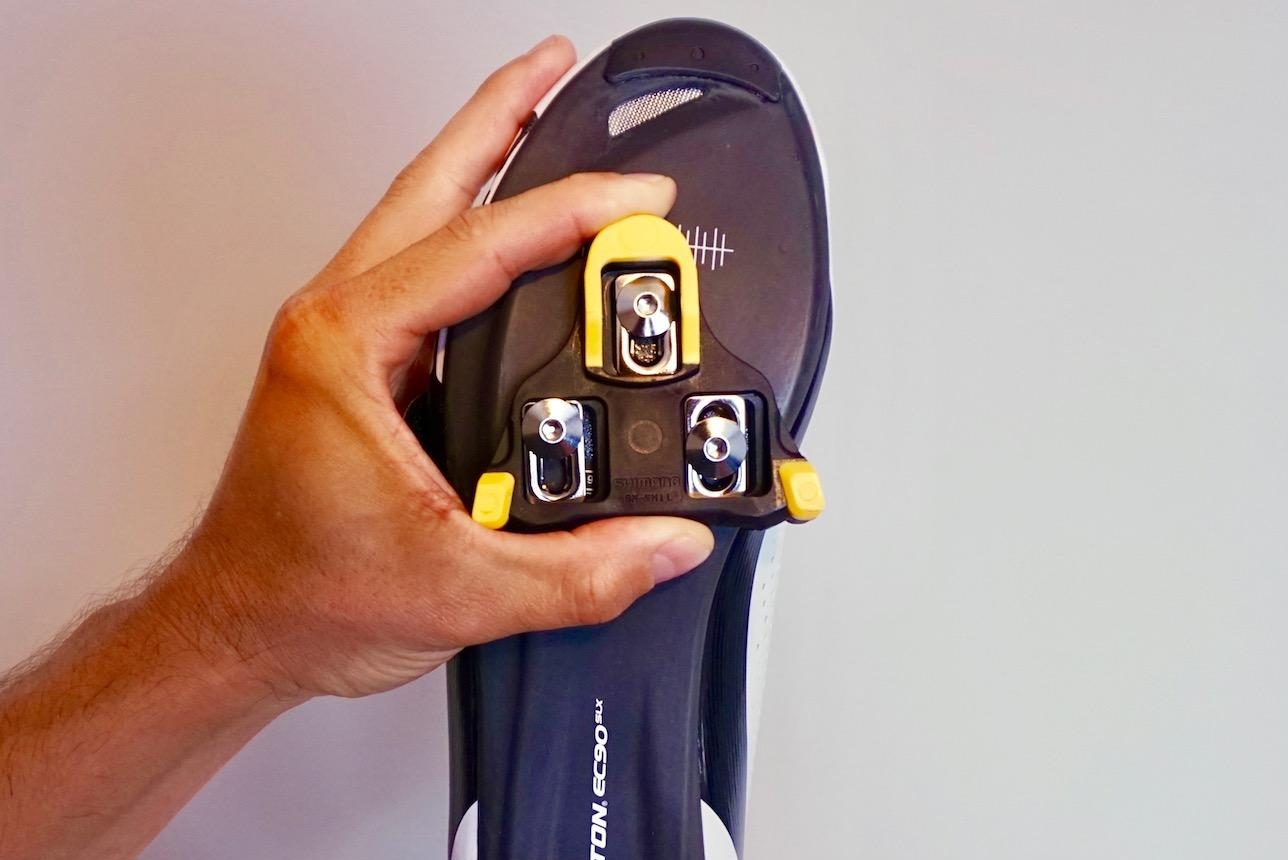
As with the SPD system, you can also shift your cleats back and forth on the shoe to suit your pedalling style and fit preferences. There’s some adjustability in the angle of the cleat and most (but not all) shoes allow you to shift the mounting plate back and forth within the sole.
SPD-SLR cleats offer greater side-to-side adjustment on the shoe's sole, but less fore and aft adjustability than SPD-SL, and so are better suited to shoes with a floating plate in the sole.
What's different about Shimano SPD-SLR?
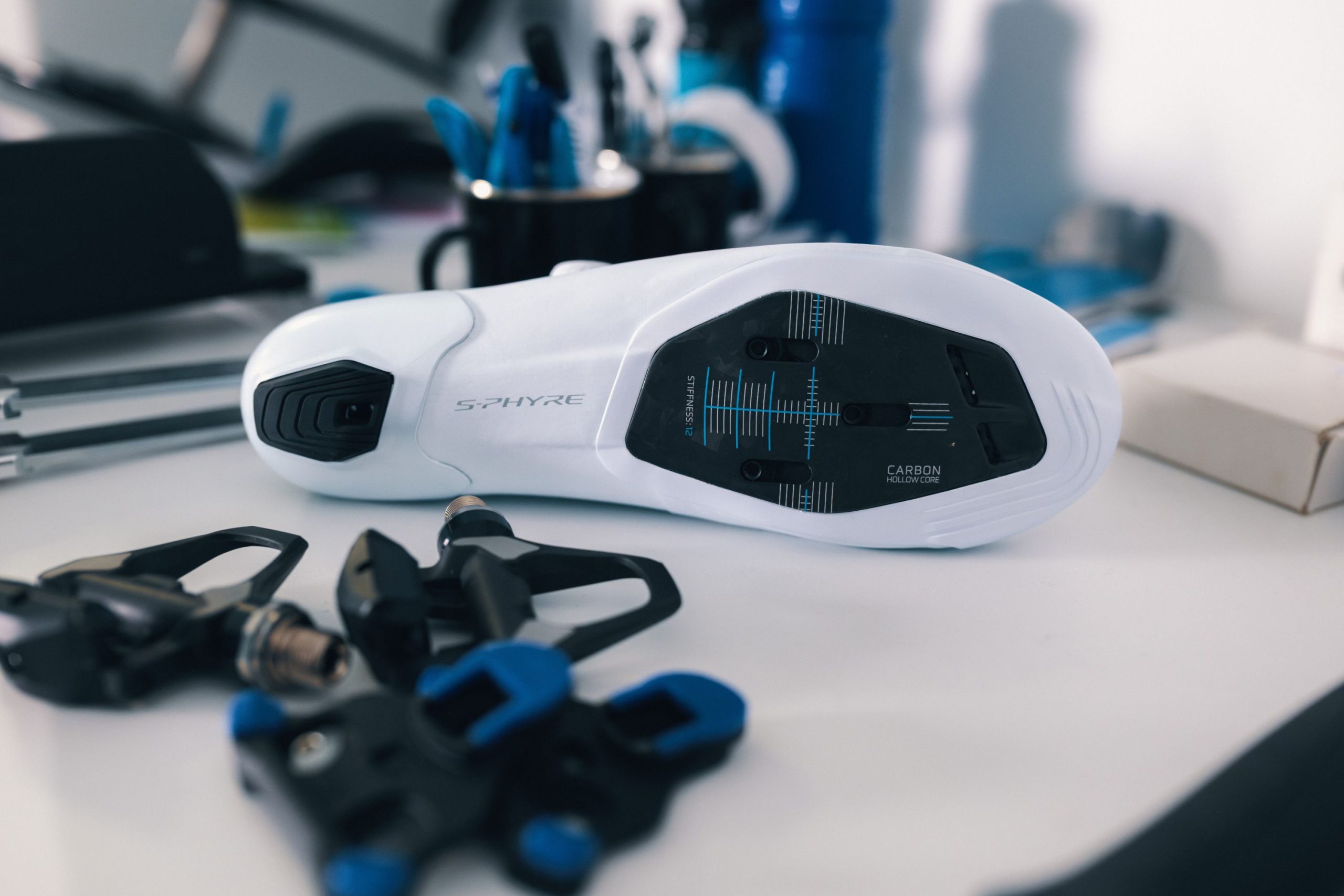
SPD-SLR is the new kid on the block, introduced in 2026. It's claimed to increase foot stability and power transfer by lowering the stack height – the vertical distance from the pedal axle to the shoe's sole – by 2.3mm, as well as making it easier to clip in than SPD-SL and saving weight by eliminating the cleat washers.
The SPD-SLR cleats have the same float options as SPD-SL, with the same colours, but the cleat shape is different. SPD-SLR pedals are also different from SPD-SL and you can't use SPD-SL cleats with SPD-SLR pedals or vice versa.
There's greater side-to-side adjustment of the cleat's placement on the shoe's sole, but less fore/aft adjustability, which we noted in our review might be a problem for some riders. Shimano has introduced new versions of its top two road shoes to work with SPD-SLR, although the system is compatible with its older road cycling shoes and those of many competitors.
Although SPD-SL and SPD-SLR will probably live alongside each other for some time, ultimately you're more likely to future-proof your pedal system by choosing SPD-SLR.
Other options
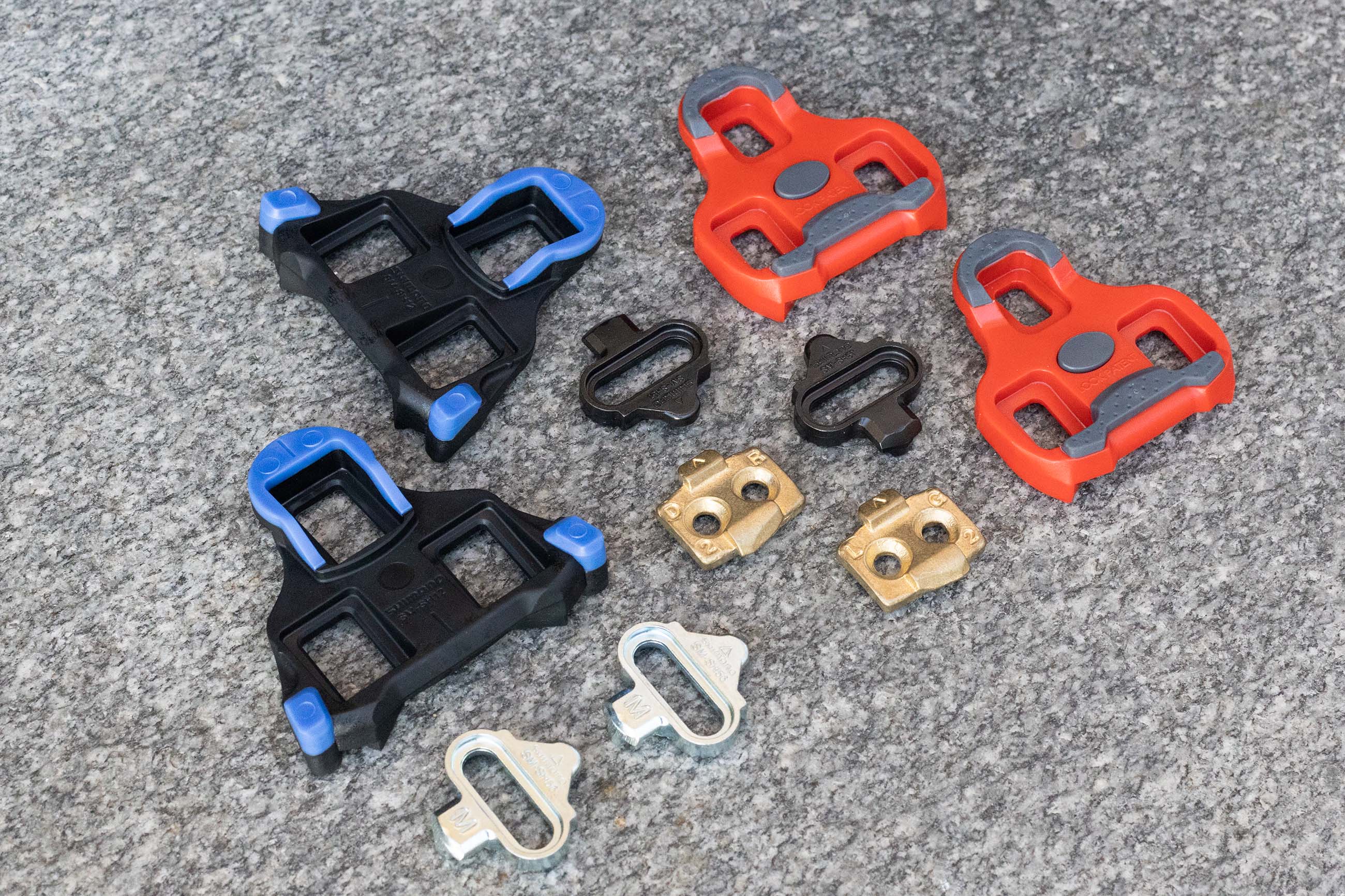
It’s not all about Shimano’s pedals, with other marques selling similar two-bolt and three-bolt systems. Some are compatible with Shimano pedals, others not.
Shimano’s two-bolt pedal patents have now expired, which has opened the way for SPD-compatible pedals to be sold by other makes, including Look and Wolf Tooth.
Other major players in two-bolt pedal systems, with their own incompatible systems, include Crankbrothers, Wahoo/Speedplay and Time.
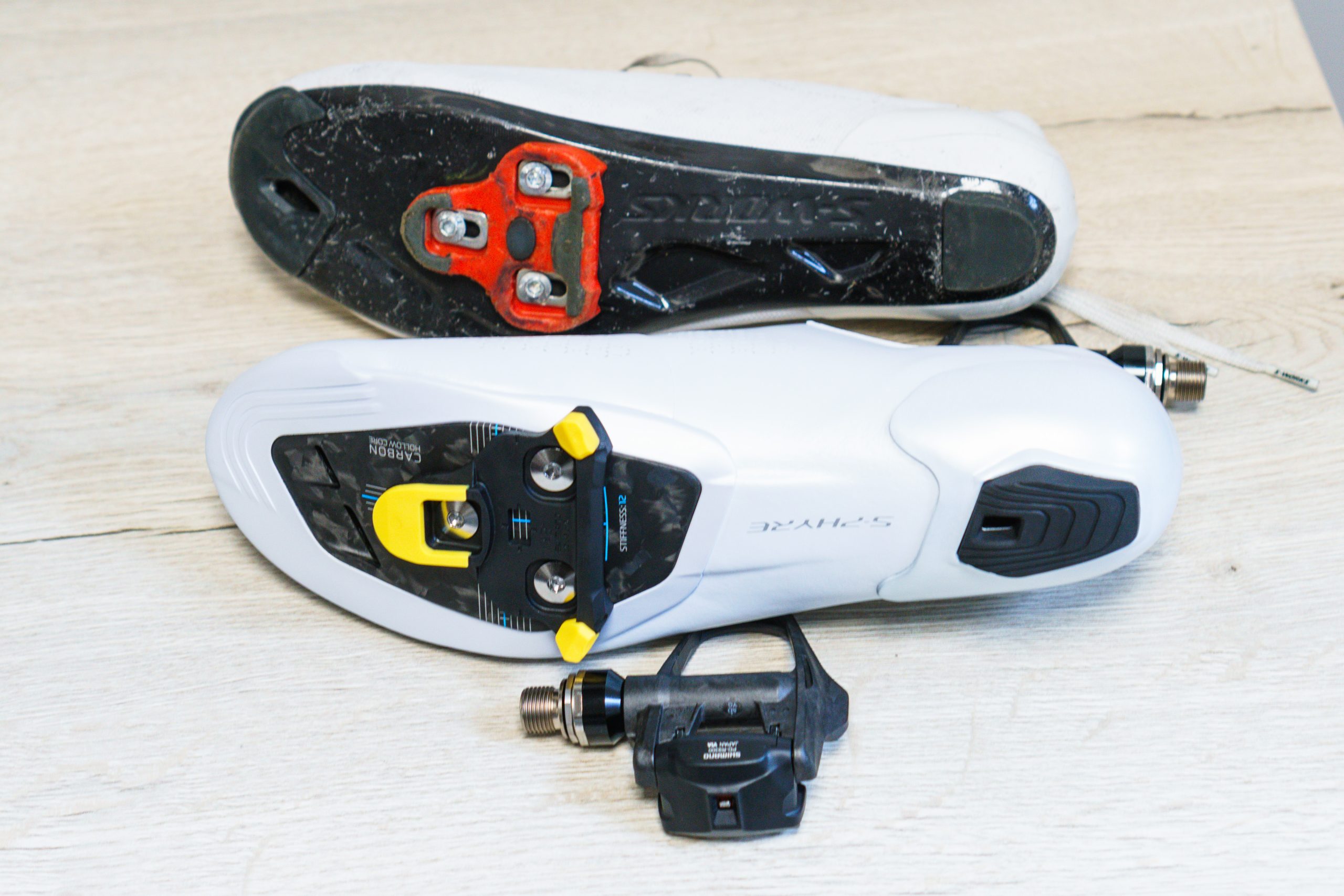
Look’s three-bolt pedals are incompatible with Shimano SPD-SL and SPD-SLR. Other road-going systems with a three-bolt cleat design include Time’s road pedals, but again there is no cross-compatibility with Shimano.
Wahoo Speedplay is another of the major players when it comes to road pedals. The lollipop-shaped Wahoo Speedplay Zero pedals fit into a metal cleat with four points of attachment to the shoe. The adjustment mechanism is in the cleat rather than the pedal.
You can either use an adaptor, supplied with the pedals, to fix Speedplay cleats to three-bolt shoes, or some shoes are available with four fixing points for in-built Speedplay compatibility.
Summary of SPD and SPD-SL/SPR advantages and disadvantages
SPD pedals pros
- Double-sided design for easy engagement
- Excellent mud-shedding, less prone to clogging
- Walkable cleats and shoes
- Suited to a variety of riding disciplines
SPD pedals cons
- Smaller contact area between the cleat and shoe, so less foot stability
- Greater likelihood of foot ‘hotspots’
- Generally heavier than SPD-SL at a given price point
SPD-SL and SPD-SLR pedals pros
- Large contact area
- More direct feel
- Lighter than SPDs
SPD-SL and SPD-SLR pedals cons
- Single-sided entry
- Difficult to walk in
- Cleats wear more quickly than SPD
- More limited fore/aft adjustability for SPD-SLR