Finding the best mountain bike wheelset for trail, all-mountain or enduro riding can be a tricky job.
Wheels are often one of the best upgrades you can make to your mountain bike. Weight, rim width and stiffness can all affect how your bike handles – for better and, sometimes, for worse.
A new wheelset can also be the most expensive upgrade you'll make. Therefore, choosing the right option for your budget and riding style is key.
Our testers sought to find out which wheels perform best and which offer best value for money.
If you're on the hunt for a new set of hoops for trail, all-mountain or enduro riding, this list of our top picks, as rated and reviewed by the BikeRadar team, will guide your purchase.
Otherwise, if you want to know more about choosing the perfect set of wheels for your bike and budget, read our full mountain bike wheels buyer's guide at the end of this article, covering riding style, axle standards, material, rim width and more.
And if you're also looking for a set of tyres, once you're done here, head to our guide on the best mountain bike tyres.
This best list was written by our staff writer, Nick Clark, who has brought together expertise from across the team while adding his personal experience in the saddle.
The reviews in this buyer's guide were written by Alex Evans, Tom Marvin, Robin Weaver and Tom Law.
Editor's note: this list was updated on 8 October 2026 with our latest high-scoring reviews, including the Industry Nine Hydra2 Enduro. We have also added information on who tested the products in this list, and more detail on how we test.
Best mountain bike wheels in 2026
DT Swiss FR 1500 Classic
SQUIRREL_TEXT_13115267
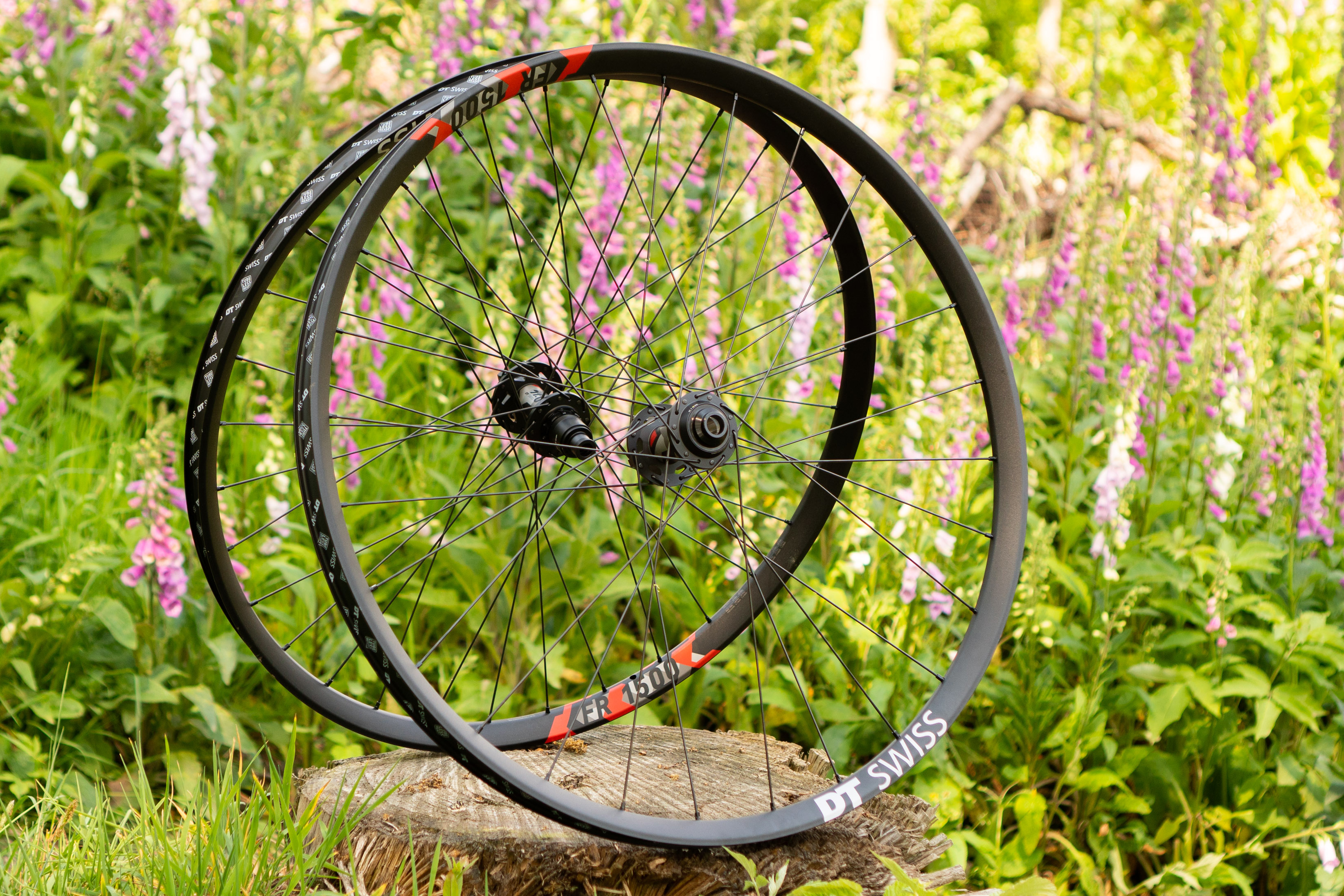
- £799.98 / $1,580.20 / €899.80 as tested by Alex Evans
- Pros: Smooth and forgiving; high-quality hub
- Cons: Rim's finish marks quickly and is hard to clean
- Best suited to: Downhill and freeride
We found the FR 1500 Classics to be a tough pair of wheels that can put up with heaps of abuse without denting, buckling or spoke de-tensioning.
The DT Swiss 240 hub has impressive bearing lifespan, putting up with the worst of British weather and frequent power washing, and remaining free-spinning.
Our only gripe would be the rim's matt finish, which is hard to clean and prone to scratching, making the wheels look more used than they are.
- Read more: DT Swiss FR 1500 Classic review
SQUIRREL_13115267
Industry Nine Hydra2 Enduro
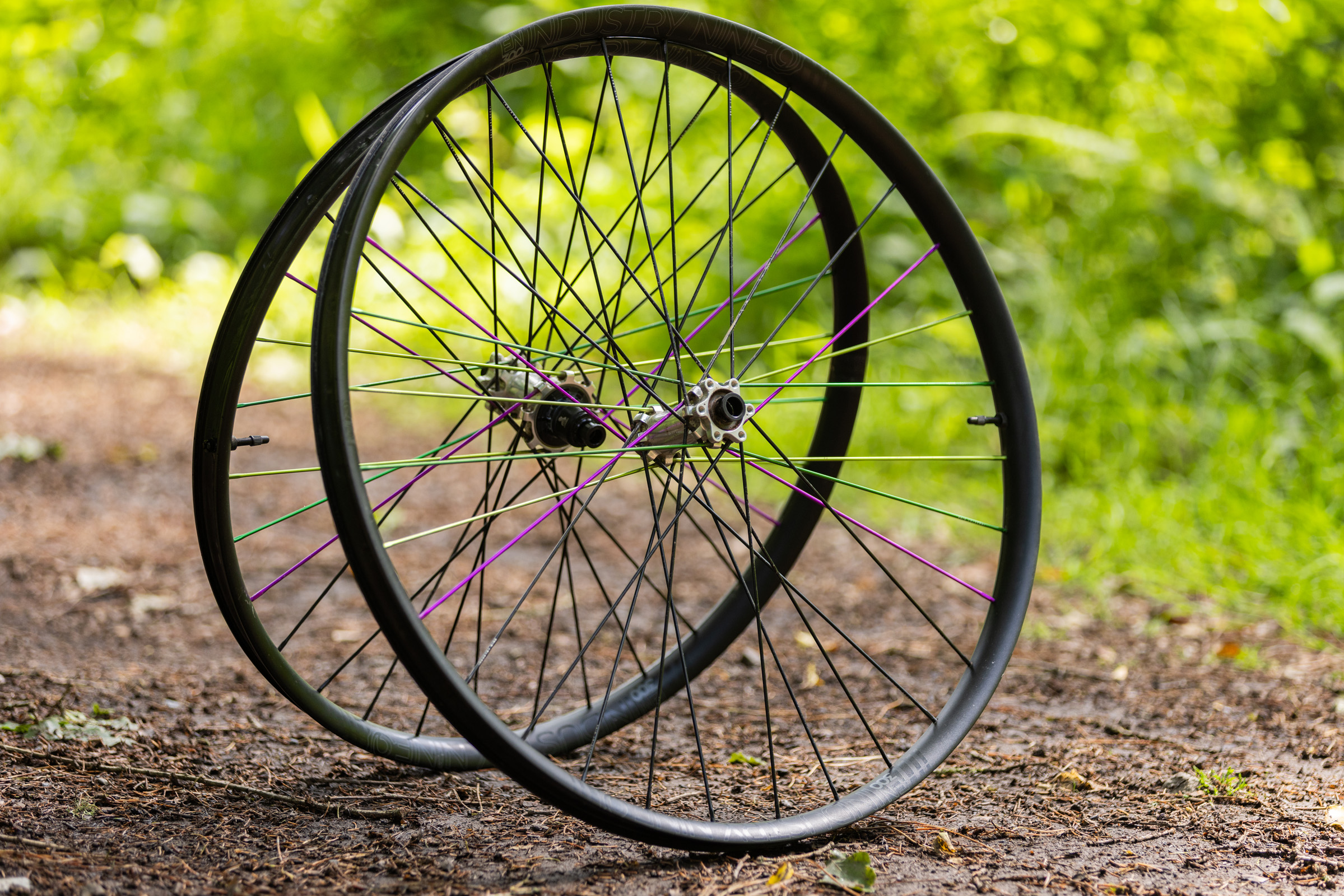
- €1,230 / $1,395 as tested by Tom Marvin
- Pros: Fast-rolling hubs; rapid freehub engagement; accurate yet comfortable ride feel
- Cons: Expensive for alloy wheels; proprietary spokes could be difficult to replace
- Best suited to: Trail and enduro riding
Industry Nine's Hydra2 Enduro wheels combine impressive ride quality with some of the fastest-engaging hubs on the market.
The updated Hydra2 hubs feature 870 points of engagement, providing a near-instantaneous 0.41-degree pickup that's particularly useful when ratcheting the cranks through technical terrain.
The 30mm-wide alloy rims offer a well-balanced ride, feeling stiff and accurate through demanding corners without transmitting excessive harshness through the bike.
Our tester praised their playful character and comfort over rough ground, while the revised hubs felt impressively fast-rolling.
At 1,812g for our mixed-wheel-size test set, they're not especially light, and the proprietary spokes could complicate repairs. However, their impressive performance makes them a compelling premium alloy option.
- Read more: Industry Nine Hydra2 Enduro review
Just Riding Along Ravine wheelset
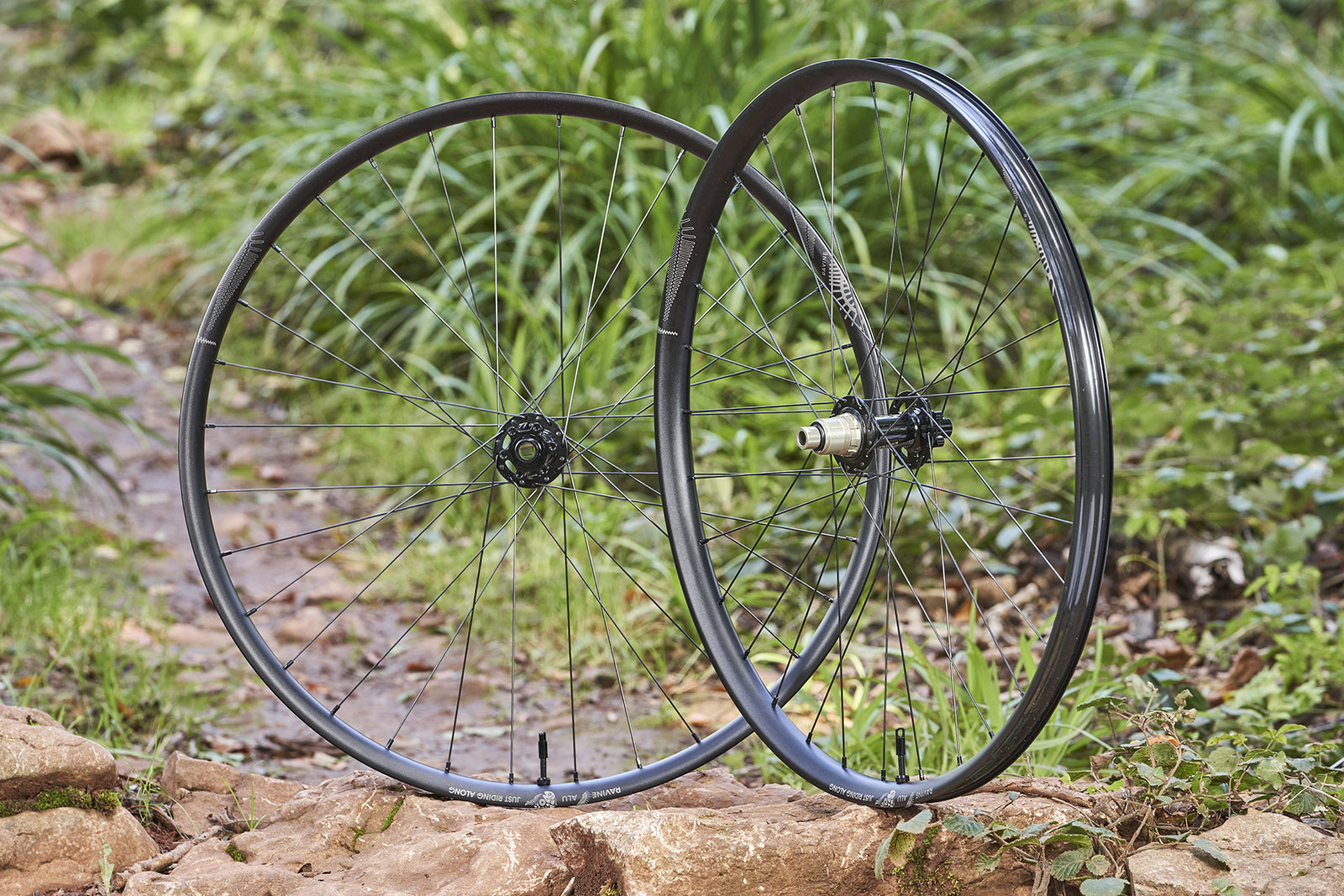
- £460 as tested by Alex Evans
- Pros: Smooth-feeling; well-priced; lots of options
- Cons: 29in only
- Best suited to: Trail and enduro riding
The Ravine wheels offer a well-damped and smooth feel on the trail, keeping buzz to a minimum while remaining accurate on chunky terrain.
An aluminium rim can be laced to a wide array of hubs, with our test sample using one with a 54 engagement-point freehub that provides a similar power transfer to the DT Swiss 350.
Their weight is low considering the asking price, and we experienced no surprises in our testing.
- Read more: Just Riding Along Ravine wheelset review
Reserve 30|HD 6069 AL wheelset
SQUIRREL_TEXT_13115273
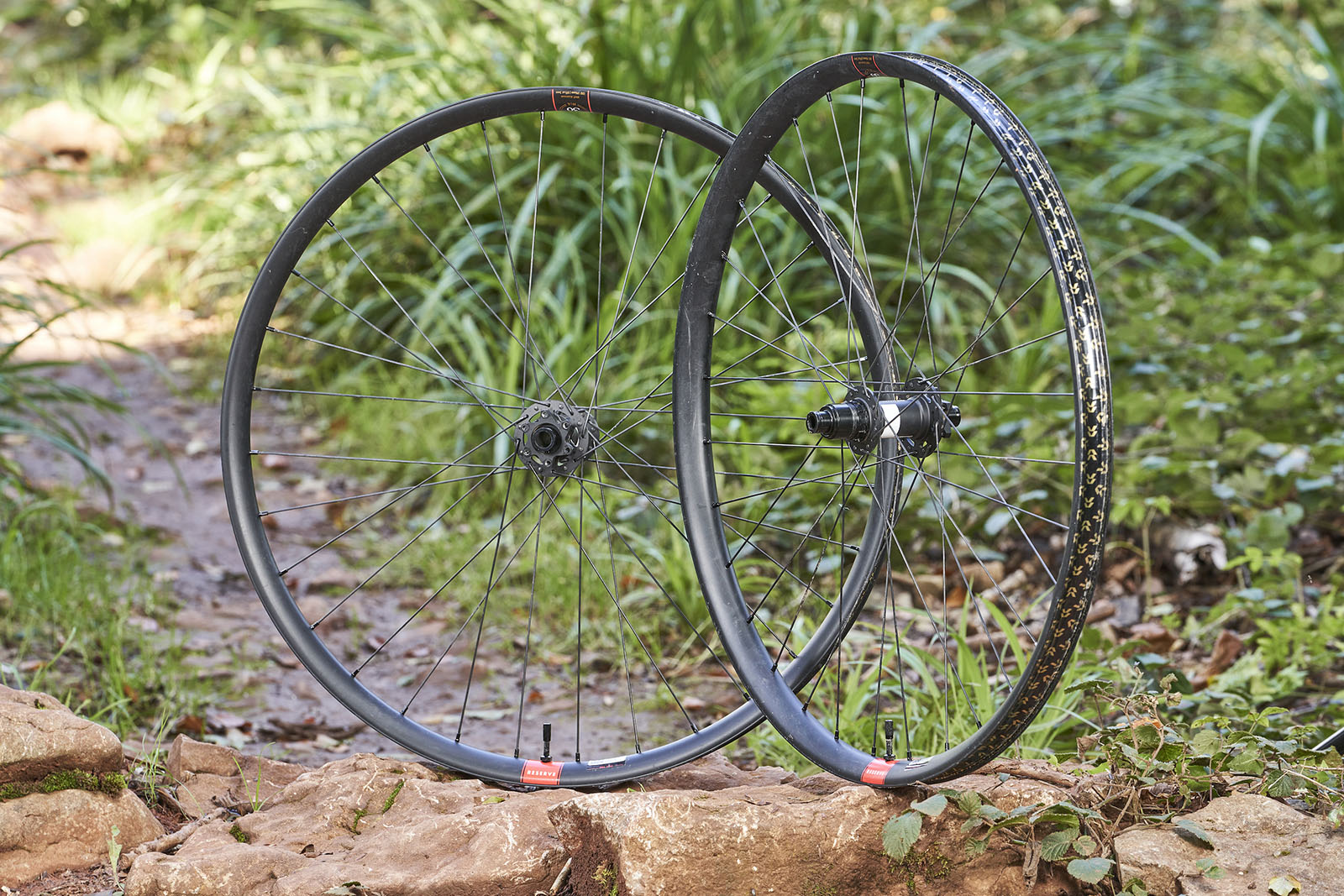
- £700 as tested by Alex Evans
- Pros: Firm-feeling without being uncomfortable; good build quality
- Cons: Freehub can fall off when wheel is off bike; Fillmore valves have occasional compatibility issues with mini-pumps
- Best suited to: Enduro or all-mountain riding
Reserve's 30|HD wheels feel sturdy without translating a harshness from the trail below and come with a pretty decent warranty.
The alloy rims are laced onto DT Swiss 350 hubs, which feature a 10-degree engagement rachet-style freehub. This offers a positive feel through the cranks, though we found this to fall off the hub when the wheel was off the bike.
Reserve's Fillmore valves feature, which means air flows into the tyres with noticeable ease, but we did have issues when using some mini-pumps.
- Read more: Reserve 30|HD 6069 AL wheelset review
SQUIRREL_13115273
Zipp 1Zero Hitop SW MTB
SQUIRREL_TEXT_13123205
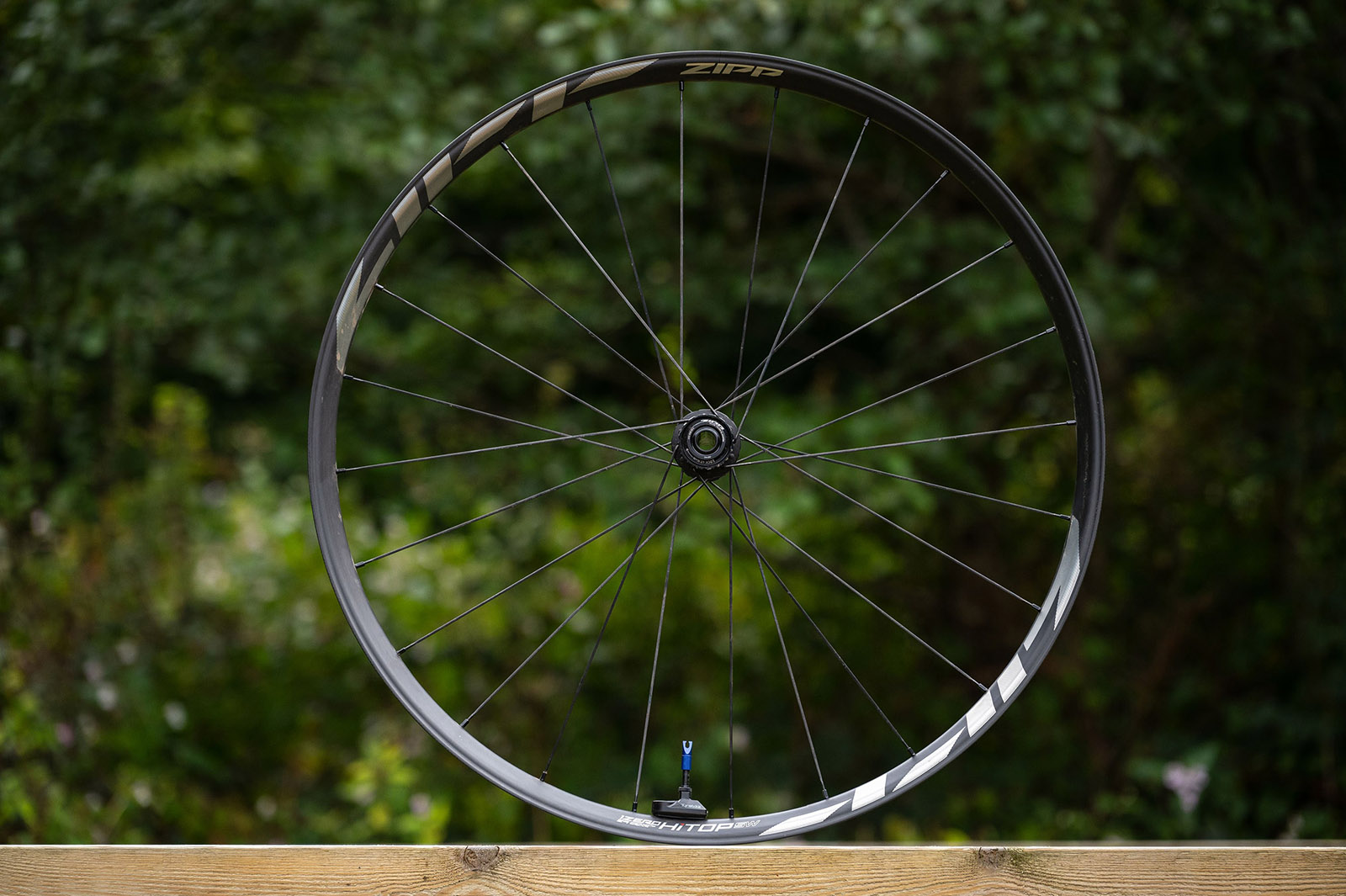
- £2,000 / €2,000 as tested by Robin Weaver
- Pros: Lightweight; damped and comfortable in rough terrain; tougher than expected
- Cons: Not as light as some; pricey
- Best suited to: Cross-country and trail riding
The 1Zero Hitops are lightweight at 1,420g but offer an impressively forgiving and capable ride feel on rough terrain.
Unlike other lightweight hoops, these feel comfortable pushing the boundaries of trail riding without risk of inaccurate steering or burping.
Freehub pickup is fast enough to go unnoticed and makes it easy to get power down when weaving through tight singletrack.
- Read more: Zipp 1Zero Hitop review
SQUIRREL_13123205
Zipp 3Zero Moto
SQUIRREL_TEXT_13082058
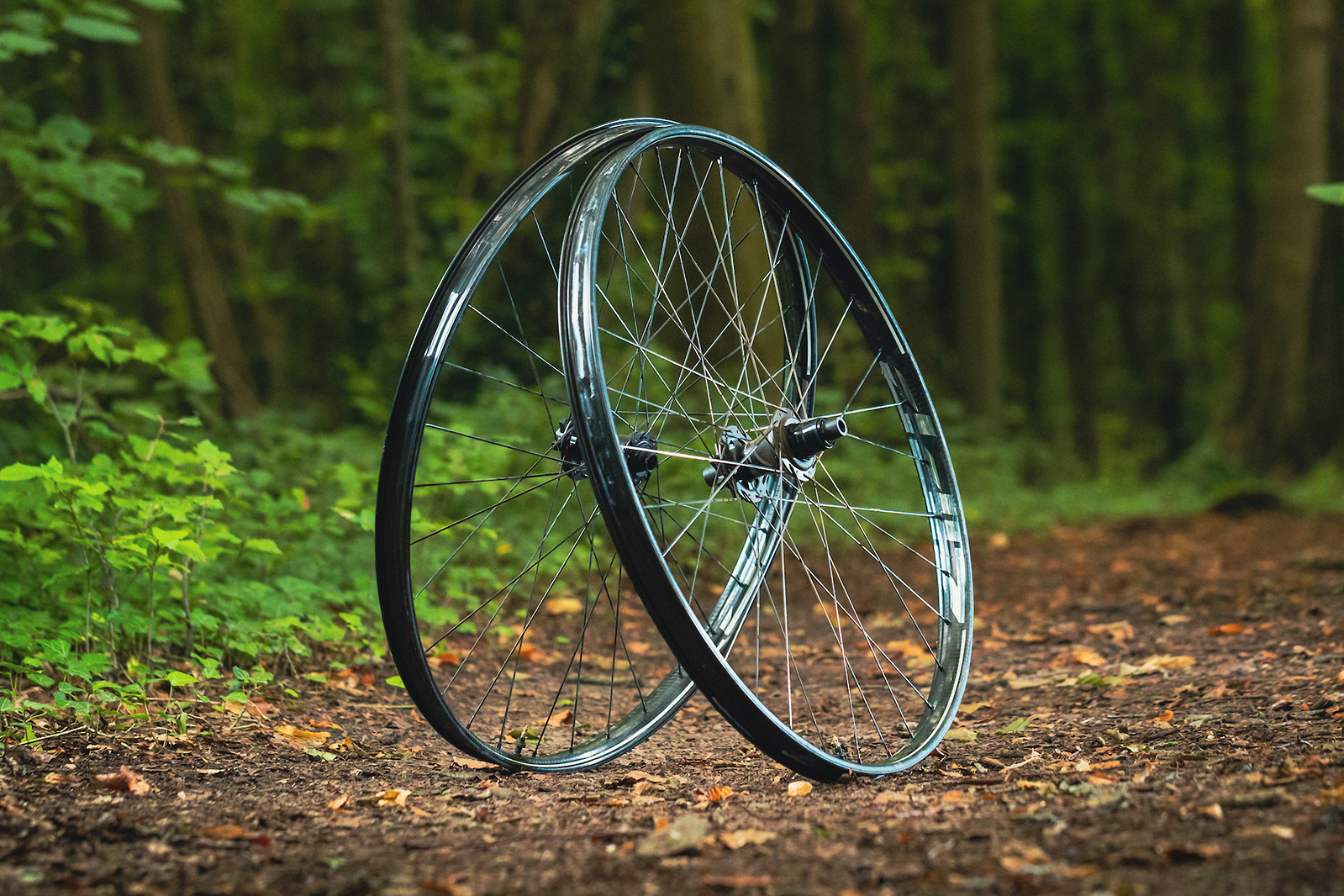
- £1,645 / $1,800 / €1,840 as tested by Tom Marvin
- Pros: Excellent control and comfort; fast pickup and easy hub maintenance
- Cons: No Shimano Microspline option
- Best suited to: Trail riding
The Zipp 3Zero Moto wheels are a great-riding set of carbon wheels with a comfortable yet accurate feel. This might be down to the single-wall rim, which pivots laterally around the spoke bed for improved traction, impact protection and comfort.
The hub is one of the best, and it’s easy to access the well-sealed bearings. The hub’s 2.7-degree engagement angle is among the quickest and, on our hardtail, pick-up of pedal inputs was exceptional.
We felt a noticeable (if slight) uplift in performance when using these wheels. Over off-camber roots, we could hold higher speeds with control over line choice. There’s a slightly damped feel on landings.
Each wheel has 32 bladed, J-bend spokes and five spoke lengths are used.
Getting tyres on and off is tricky and there’s no Shimano Micro Spline option, but they ride beautifully, have a lifetime warranty and accept the Quark TyreWiz for real-time pressure data.
- Read more: Zipp 3Zero Moto wheelset review
SQUIRREL_13082058
Crankbrothers Synthesis XCT 11 Carbon
SQUIRREL_TEXT_13161881
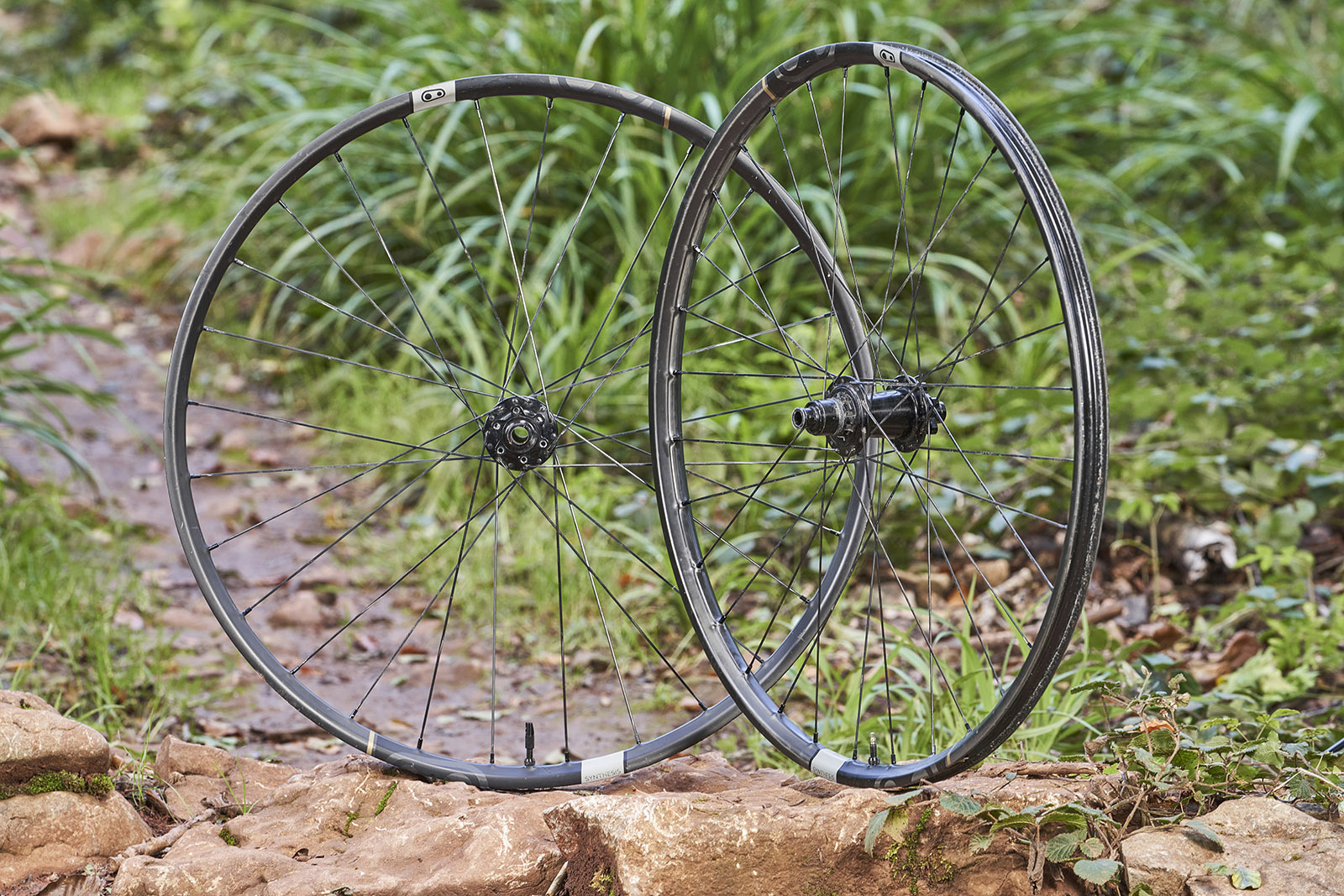
- £2,250 / $2,400 as tested by Alex Evans
- Pros: Compliant and muted feel; accurate steering; playful and poppy nature; brilliant hubs
- Cons: Some flex when pushed hard; carcass stability; pricey
- Best-suited to: Cross-country or trail riding
Crankbrothers' Synthesis XCT 11 Carbon wheels offer an impressively supple ride quality that isolates trail buzz while remaining accurate through choppy sections.
The carbon rims are built onto Industry Nine Hydra hubs, which offer instant power transfer thanks to a 0.52-degree engagement angle.
Heavy riders may find the flex of the wheels too much when pushed to the limit, with tyre carcass deformation leading to burps on the rear tyre.
SQUIRREL_13161881
FFWD Outlaw wheelset
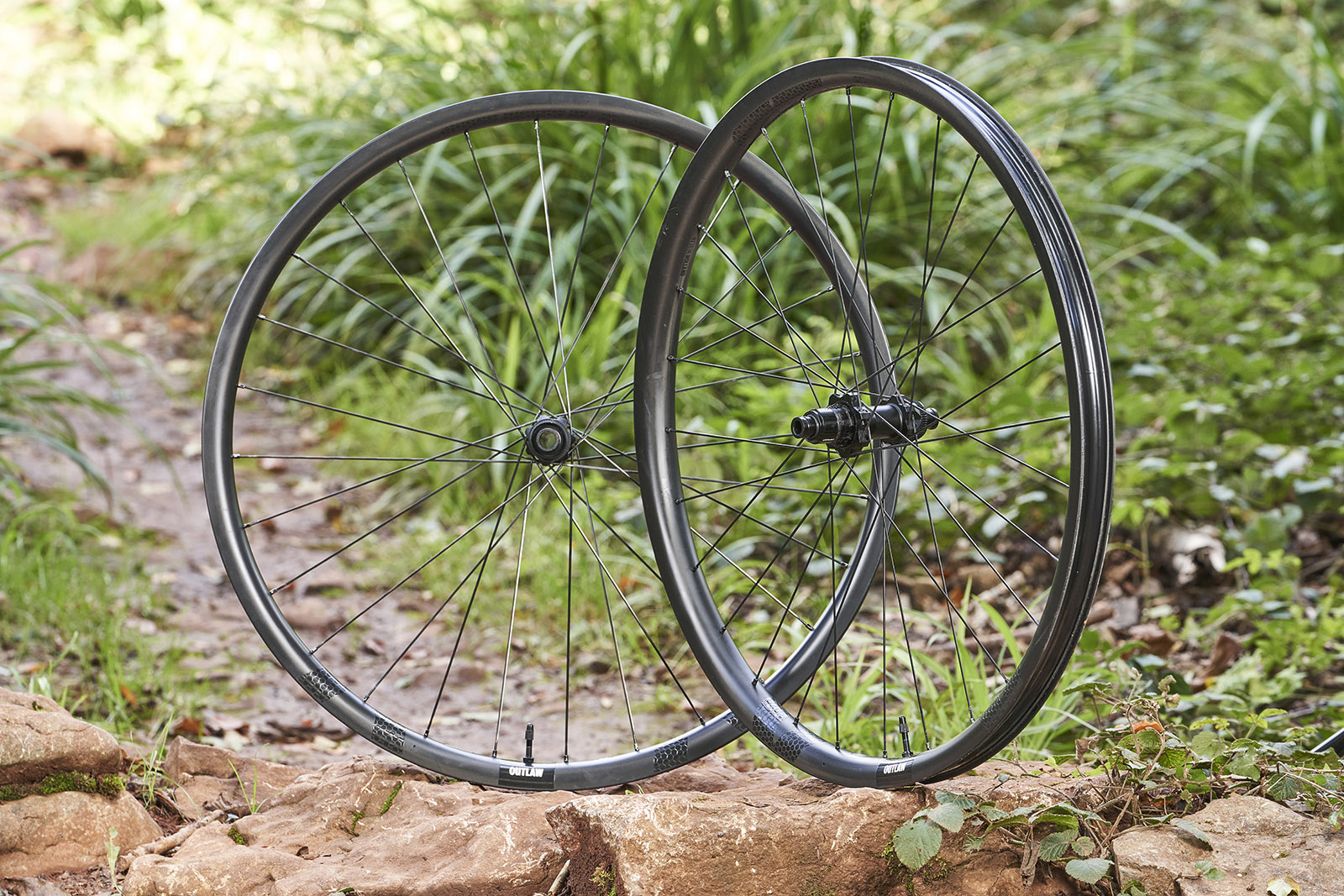
- £1,349 / €1,499 as tested by Alex Evans
- Pros: Lightweight; comfortable and accurate
- Cons: Slow freehub engagement; not well-suited to heavier riders; carcass stability
- Best suited to: Cross-country to all-mountain
Despite a chunky look, the Outlaws tip the scales at 1,580g for a pair, making them some of the lightest wheels rated for all-mountain riding.
Their scope is focused mainly on cross-country riding though, with the wheels offering a smooth feeling on rough trails without sacrificing accuracy to wheel flex.
We found the carcass stability to be lacking a little, with the rear wheel burping regularly when pushed hard into bermed corners.
- Read more: FFWD Outlaw wheelset review
Hope Fortus 30 SC Pro 5
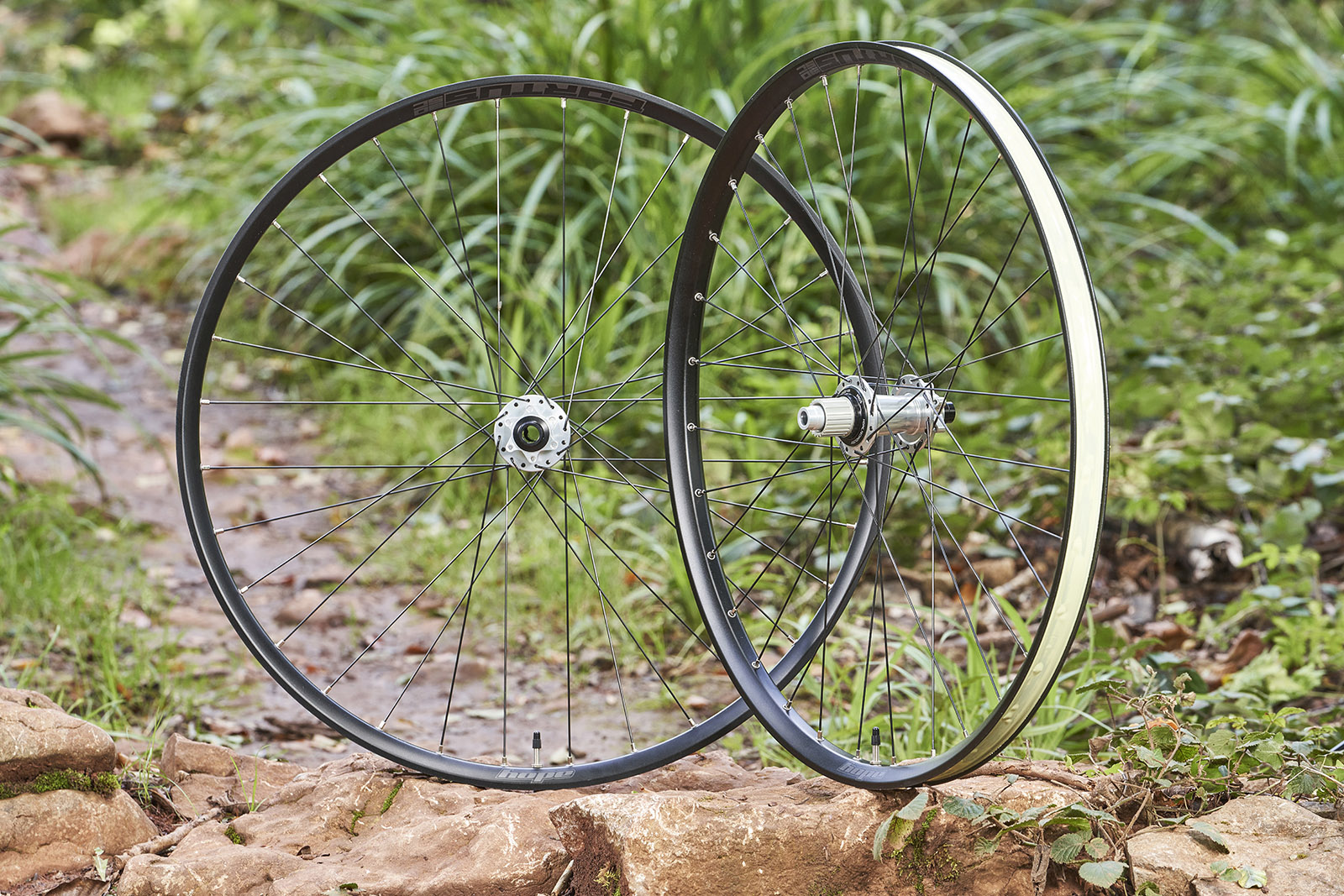
- £500 / $633 / €650 as tested by Alex Evans
- Pros: Muted and damped feel; strong feel; Pro 5 hub is excellent
- Cons: Rim tape not factory installed; on the heavy side
- Best suited to: Enduro riding
The Fortus 30 SC Pro 5 wheels offer an insulated ride feel, with the vibrations from the trail below feeling muted making hard-charging a little less chaotic.
This combined with their heavy weight does make them less playful than others, with the Fortus having a distinct, robust quality.
Hope's Pro 5 hub is the star of the show, with high build quality the amplifies the wheels damped and controlled feel.
- Read more: Fortus 30 SC Pro 5 wheelset review
Hunt Proven Carbon Race XC
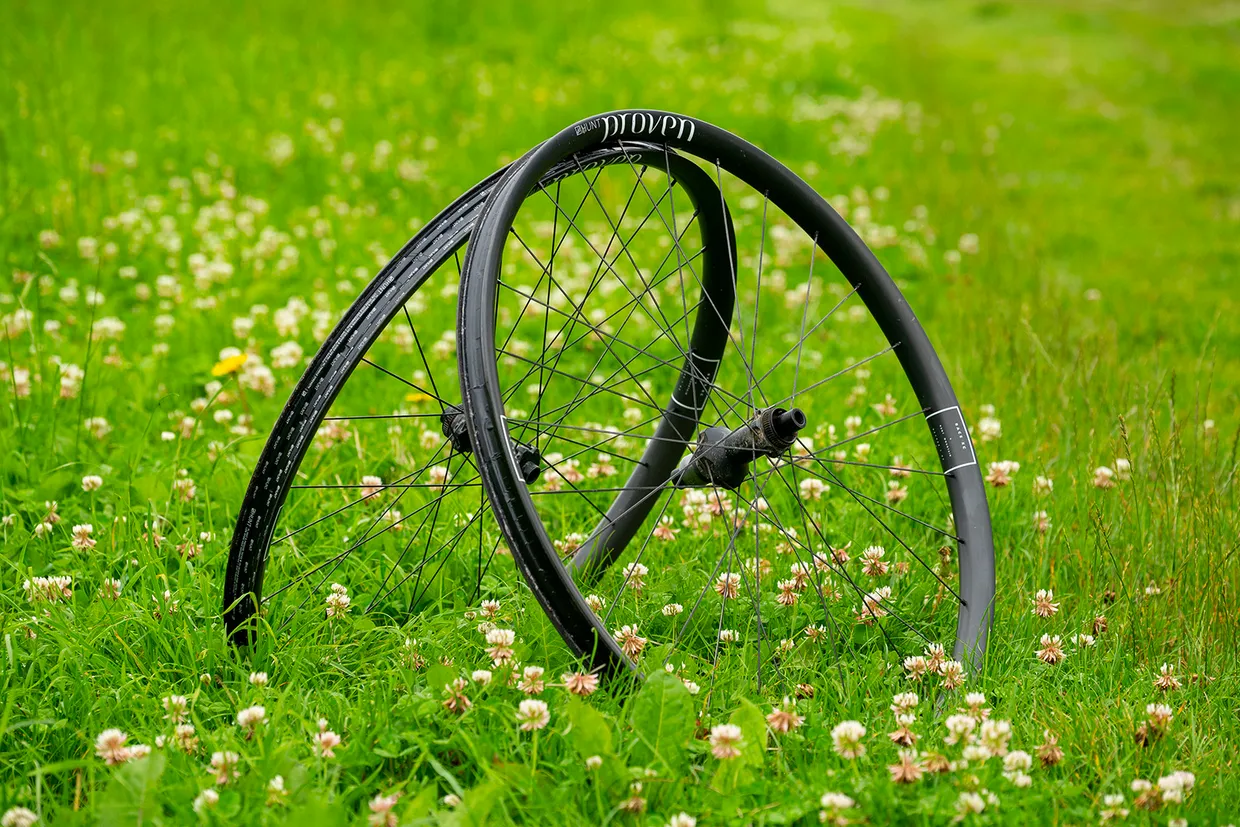
- £1,099 as tested by Tom Law
- Pros: Good value for money; great warranty; compliant ride feel
- Cons: Not as light as claimed; some spoke creak; not the fastest engagement
- Best suited to: Cross-country
Hunt's Proven Carbon Race XC wheels are tough and responsive while remaining compliant making for a very pleasant feel through the bike.
They're well-priced against the competition, and although they were heavier than claimed they are still lightweight.
We did have issues with spoke creaking in testing and would have liked slightly more engagement from the hub.
- Read more: Hunt Proven Carbon Race XC review
Miche K1 EVO
SQUIRREL_TEXT_13095281
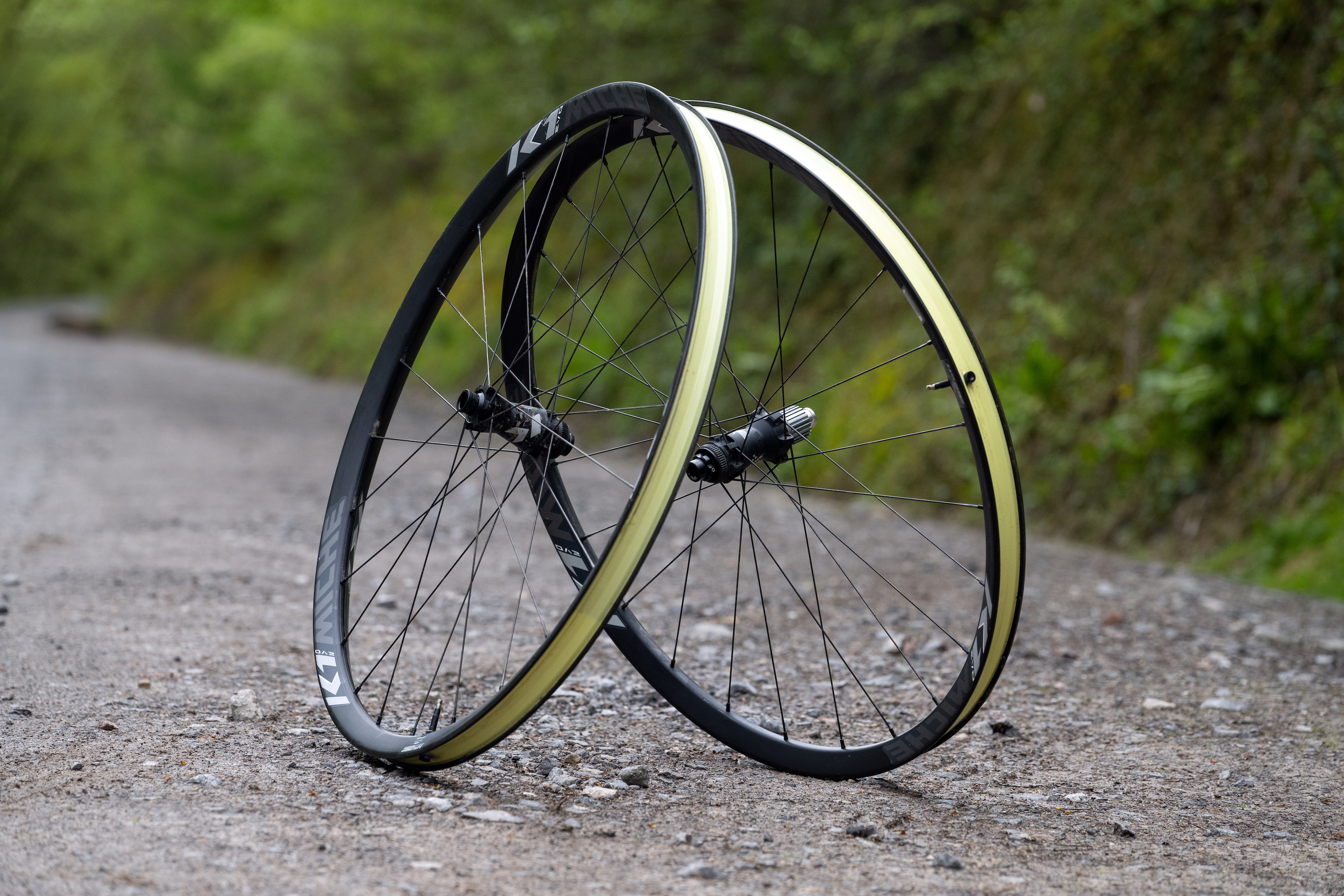
- £1,885 / €1,885 as tested by Tom Marvin
- Pros: Lightweight; good ground tracking; comfortable
- Cons: Servicing needs pre-planning
- Best suited to: Cross-country
The K1 EVOs are Miche's lightweight XC wheels, tipping the scales at 1,392g for the pair, which should impress weight weenies.
On the trail, the wheels impressed with the sort of comfortable riding characteristics we'd expect from heavier wheelsets. They stayed accurate and rattle-free through rocky sections, while muting the harshness of the trail below.
Thanks to their light weight, the K1 EVOs felt zippy up the hills, although we find the hub-engagement angle to not be as quick as others on the market. This didn't take much away in terms of performance.
Two 12mm hex keys are required to replace the freehub body, which isn't uncommon, though it's good to know beforehand to save time when servicing.
The 29mm internal width allows for lower pressures to be used, and setting the tyre up tubeless was hassle-free.
- Read more: Miche K1 EVO wheelset review
SQUIRREL_13095281
Race Face Turbine
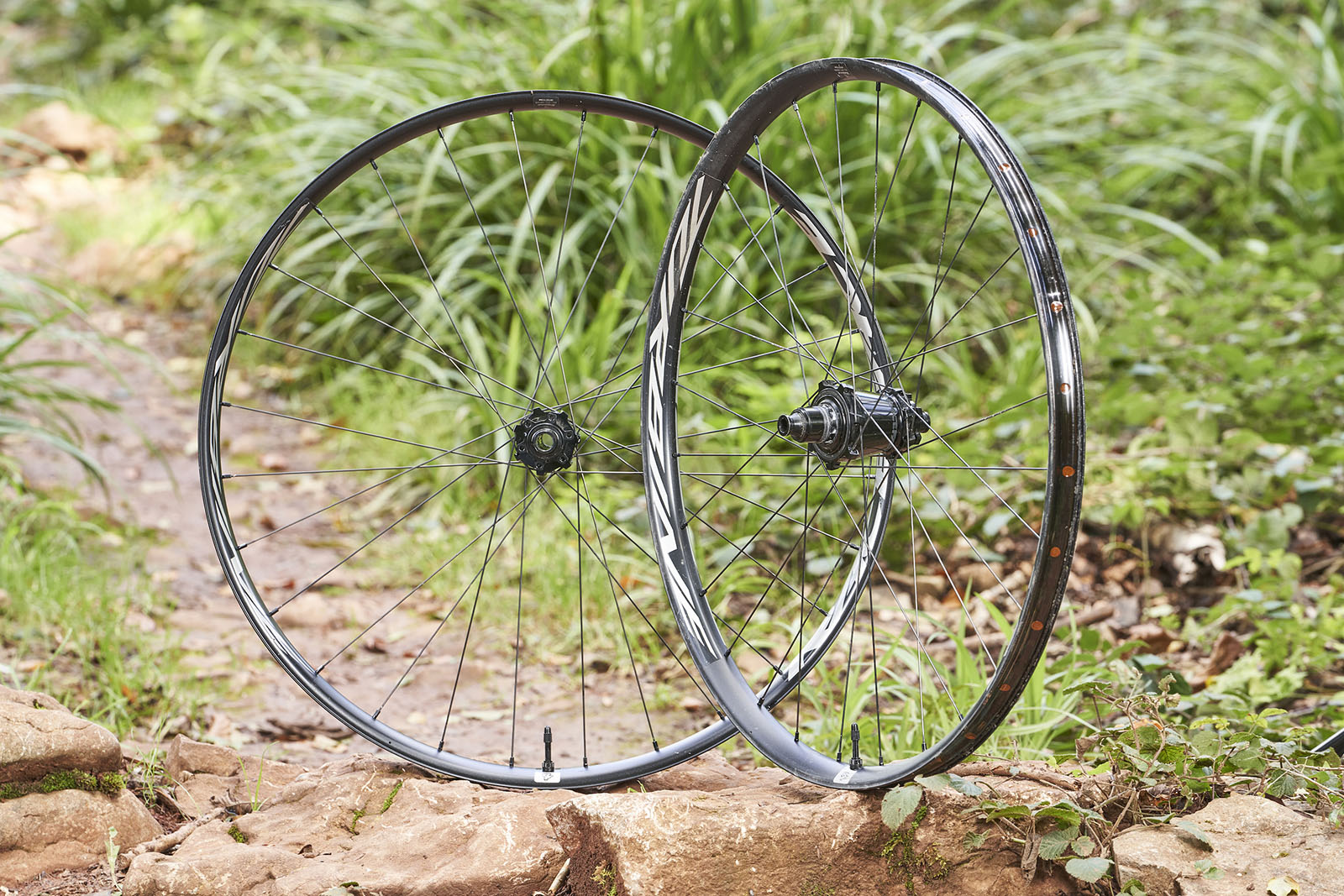
- £868 as tested by Alex Evans
- Pros: Fast-engagement hub; puncture-mitigating rim construction
- Cons: Tyre fitting and inflation is trickier than some; priced higher than direct competitors
- Best suited to: Enduro riding
The Turbine wheels are more compliant than Race Face's Turbine R model without losing any strength.
Alloy rims are connected to Race Face Vault hubs using 28 straight-pull spokes, with the hub itself featuring a 3-degree engagement angle that gives almost instant power delivery.
Mounting tyres proved more tricky than others, but the wheels roll fast and seem to resist punctures well.
- Read more: Race Face Turbine wheelset review
Roval Traverse Alloy 350 wheelset
SQUIRREL_TEXT_13115283
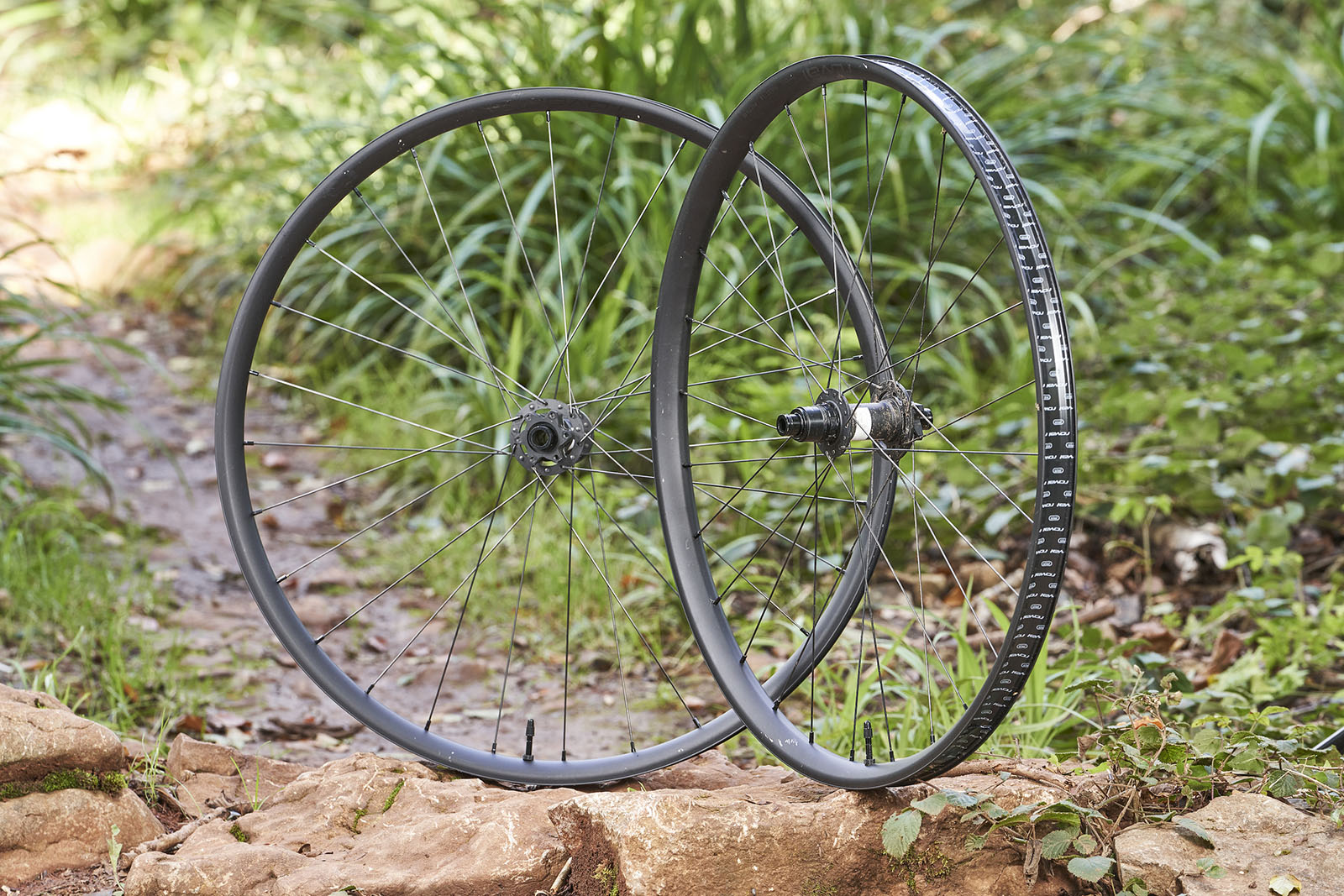
- £760 / $850 / €850 / AU$1,300 as tested by Alex Evans
- Pros: Easy tyre mounting; good on-trail ability; reliable freehub
- Cons: Rim picks up scratches easily; freehub can fall off if not in bike
- Best suited to: Trail and enduro riding
Roval's latest Traverse Alloy 350s are built for the rigours of trail riding, and feel balanced and capable on descents.
The rims are attached to DT Swiss 350 hubs, which provide good quality. The hub bearings have proved reliable over time, though the 10-degree engagement angle isn't as punchy as some.
Tyres are easy to mount, though we found the freehub can easily fall off when the wheel isn't in the bike.
- Read more: Roval Traverse Alloy 350 wheelset review
SQUIRREL_13115283
Shimano MT620
SQUIRREL_TEXT_13082559
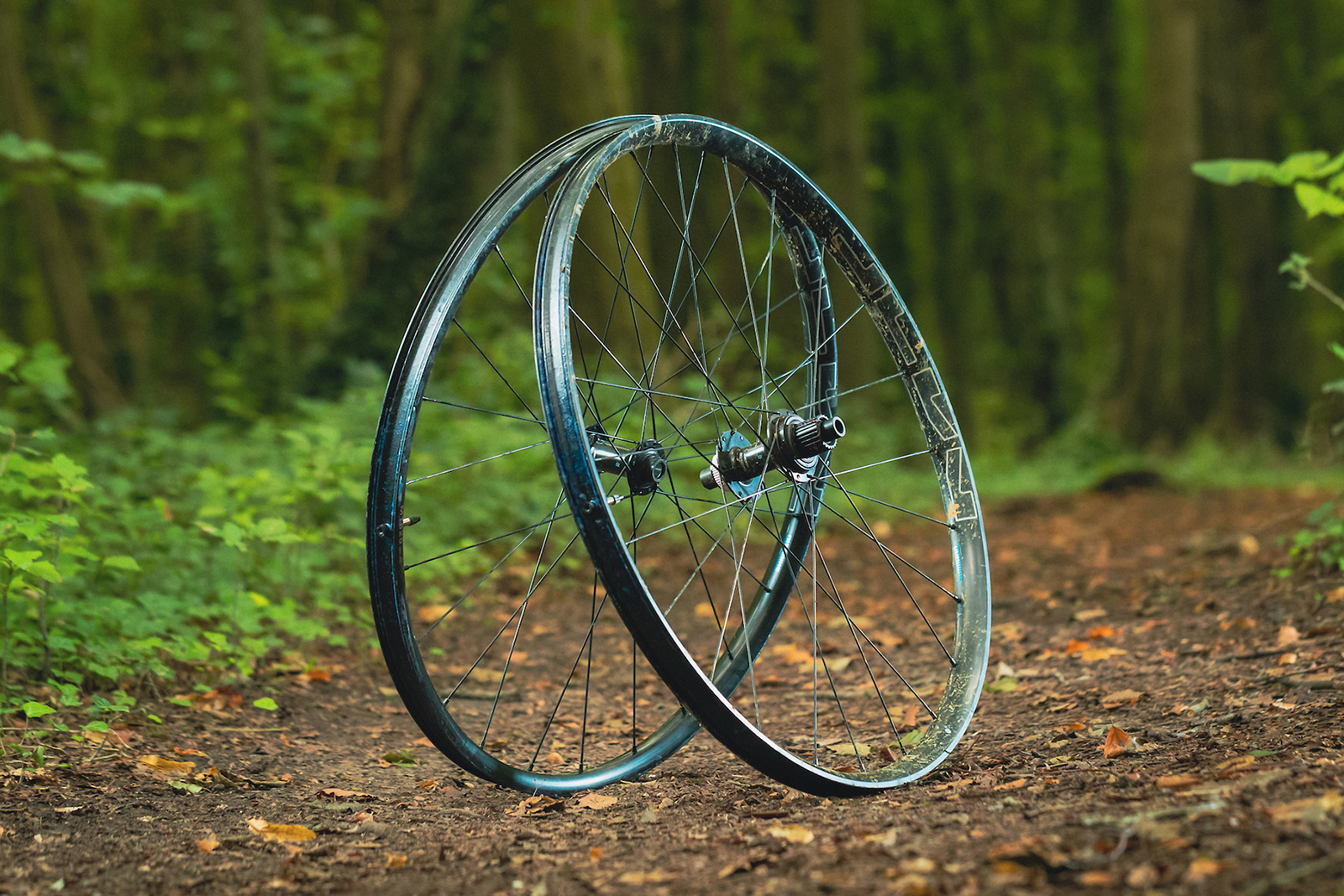
- £360 as tested by Tom Marvin
- Pros: Easy tyre mounting and inflation; great value for money
- Cons: Hard riders may find them a bit soft
- Best suited to: Trail riding
Sitting between Deore and SLX levels, the alloy MT620s are great value.
They are a touch softer than some when you’re really pushing them hard into corners, or where super-precise lines are needed. This gives a comfortable feel and means you don’t get knocked off-line easily. If you’re a hard-charger, you may want a higher spoke count than 24, but the build is good for the money.
Shimano’s cup-and-cone bearing system allows easy access to the hub bearings, but you’ll need cone spanners and some patience to get them ‘just so’.
The wheels come with a Micro Spline freehub for Shimano 12-speed cassettes. No XD driver is available.
We measured the asymmetric rim at 29.3mm.
Fitting tyres is easy, and the freehub engages reliably.
There are better wheels out there, but not for this price.
- Read more: Shimano MT620 wheelset review
SQUIRREL_13082559
How we test mountain bike wheels
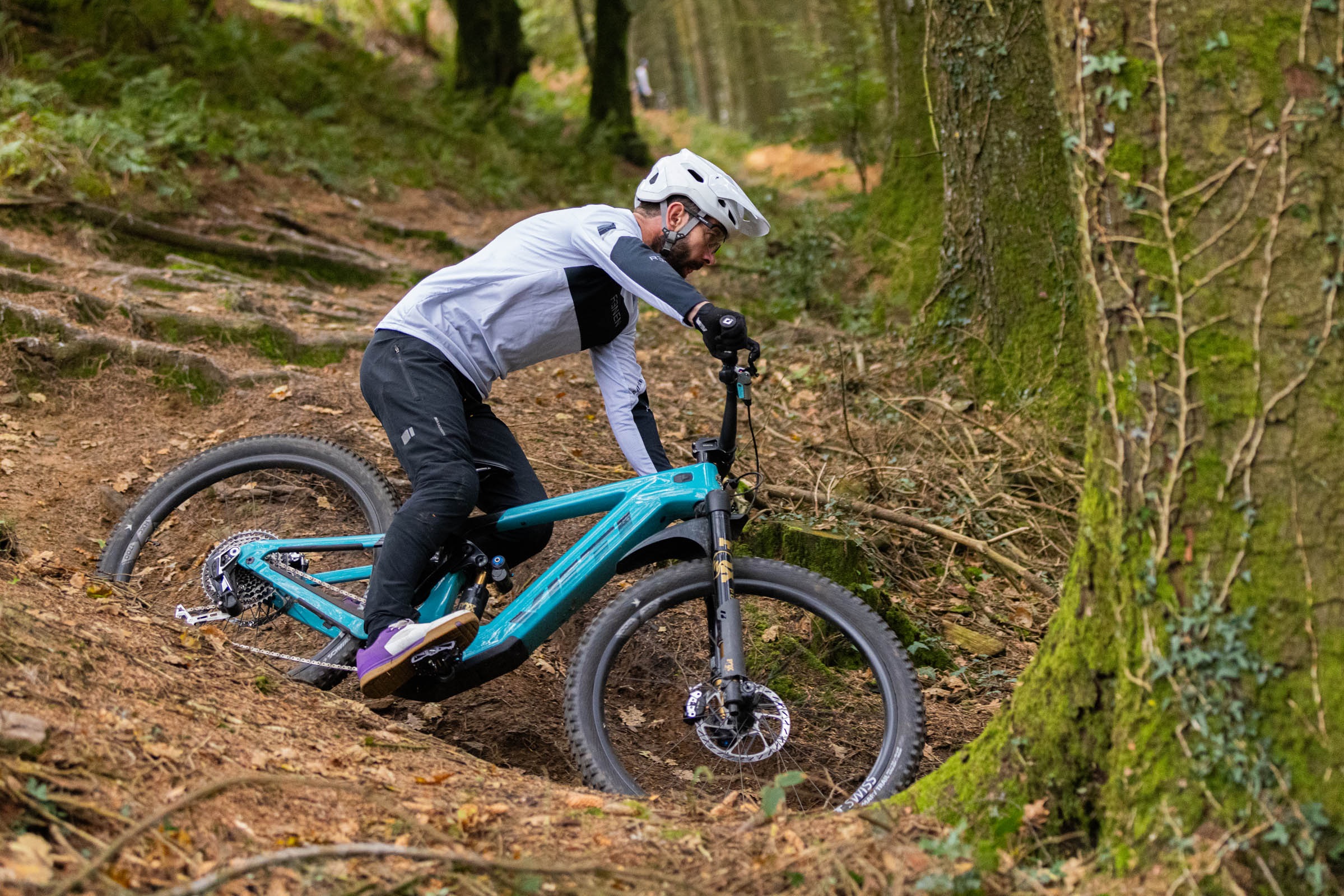
We test mountain bike wheels out on the trails to see how they perform in their natural habitiat.
Our testers have reviewed and rated hundreds of wheelsets, so they know the difference between a good and bad pair.
Long test cycles are used to make sure all the strengths and weaknesses are discovered, and to replicate real-life ownership.
Ultimately, our mountain bike wheel reviews are based on the following criteria:
- Strength – do the wheels hold up on rough and janky terrain?
- Engagement – are the freehubs quick to engage?
- Weight – how heavy are the wheels?
- Width – are the rims wide enough to shape modern tyres?
- Value for money – is the price competitive against other wheels in the market?
Why you can trust BikeRadar
BikeRadar has been an authority on bikes and cycling tech since its inception in 2007, delivering the world’s best riding advice.
We have experts testing all types of bikes, parts, clothing and accessories, from road, mountain and gravel bikes to commuting, bikepacking and electric bikes.
Our reviews are always editorially independent – with no exceptions. Our reviewers comprehensively test all products in the real world, always reflecting on performance, value and the wider market when delivering their verdicts and review ratings.
We have more than 15,000 product reviews available at your fingertips, as well as expert buying, maintenance, training, skills, health and fitness advice.
Our annual Bike of the Year test is an industry benchmark and the BikeRadar team consists of some of the most experienced riders and testers in the business.
Mountain bike wheels buyer's guide
What type of riding are you doing?
The first thing you should consider when buying a new set of wheels is what sort of rider you are. If you're a cross-country racer looking for all-out speed then a wheel's weight is going to be your primary concern over its strength.
Trail and all-mountain riders will want to balance strength and weight, looking for the perfect compromise for their individual riding styles.
Gravity-focused riders, enduro or downhill, should look at prioritising strength over weight, although generally speaking the more you spend the lighter and stronger wheels should be.
Also consider how hard you ride. If you're a heavier or more aggressive rider, you should shy away from lightweight wheels and look for a sturdy set with a higher spoke count – most likely 32 spokes laced in the three-cross pattern.
If you're a lightweight rider or if you use a lot of finesse on the trail, you can probably get away with running a lighter-weight wheelset or one with fewer spokes.
Axle standards
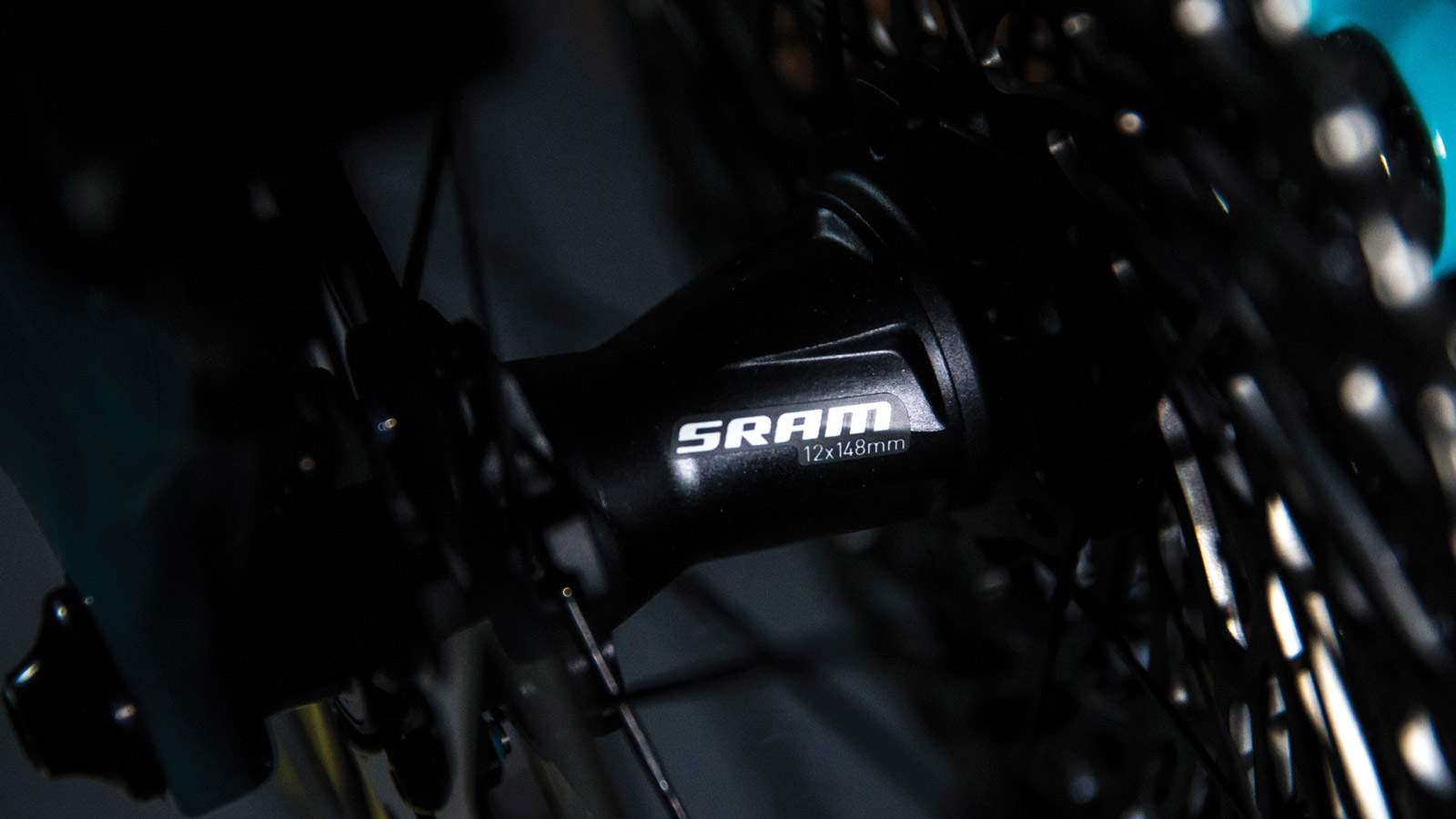
Over the past five years, axles have transitioned from decades-old quick-releases to thru-axles, which offer a stiffer, more secure interface. There are several MTB axle standards to be aware of.
The 100x15mm front and 142x12mm rear thru-axles were common a few years ago, but the desire to increase wheel stiffness has led manufacturers to move to the wider 'Boost' axle spacing, which uses a 110x15mm front axle with a 148x12mm rear thru-axle.
If you're buying a high-end mountain bike, these days, nearly all of them will feature Boost axle spacing.
More recently, 'Super Boost' spacing, found on a growing number of bikes, is becoming more common. This standard increases the axle width further, in theory, to improve stiffness once more.
What is Boost and Super Boost hub spacing?
Hub spacing refers to the distance between the two ends of the hub's axle or the gap between the inside of the dropouts on your frame or fork.
Bikes and hubs with standard Boost spacing measure 148mm wide. This means the hub flanges are further apart compared to a standard 142mm axle hub.
Wider hub flanges cause the wheel's spokes to be braced from a wider angle, too. This increase in angle leads to stronger wheels.
Super Boost hubs are 157mm wide, and just like normal Boost spacing the increase in width is seen with wider-still hub flanges improving strength further.
- Find out more about Super Boost hub spacing
Before purchasing a new wheelset, make sure it uses the same axle type and width as your frame.
You might also want to consider looking for a hub that can be changed to a different axle size should you change your frame but want to keep your wheels at a later date.
Carbon or alloy rims?
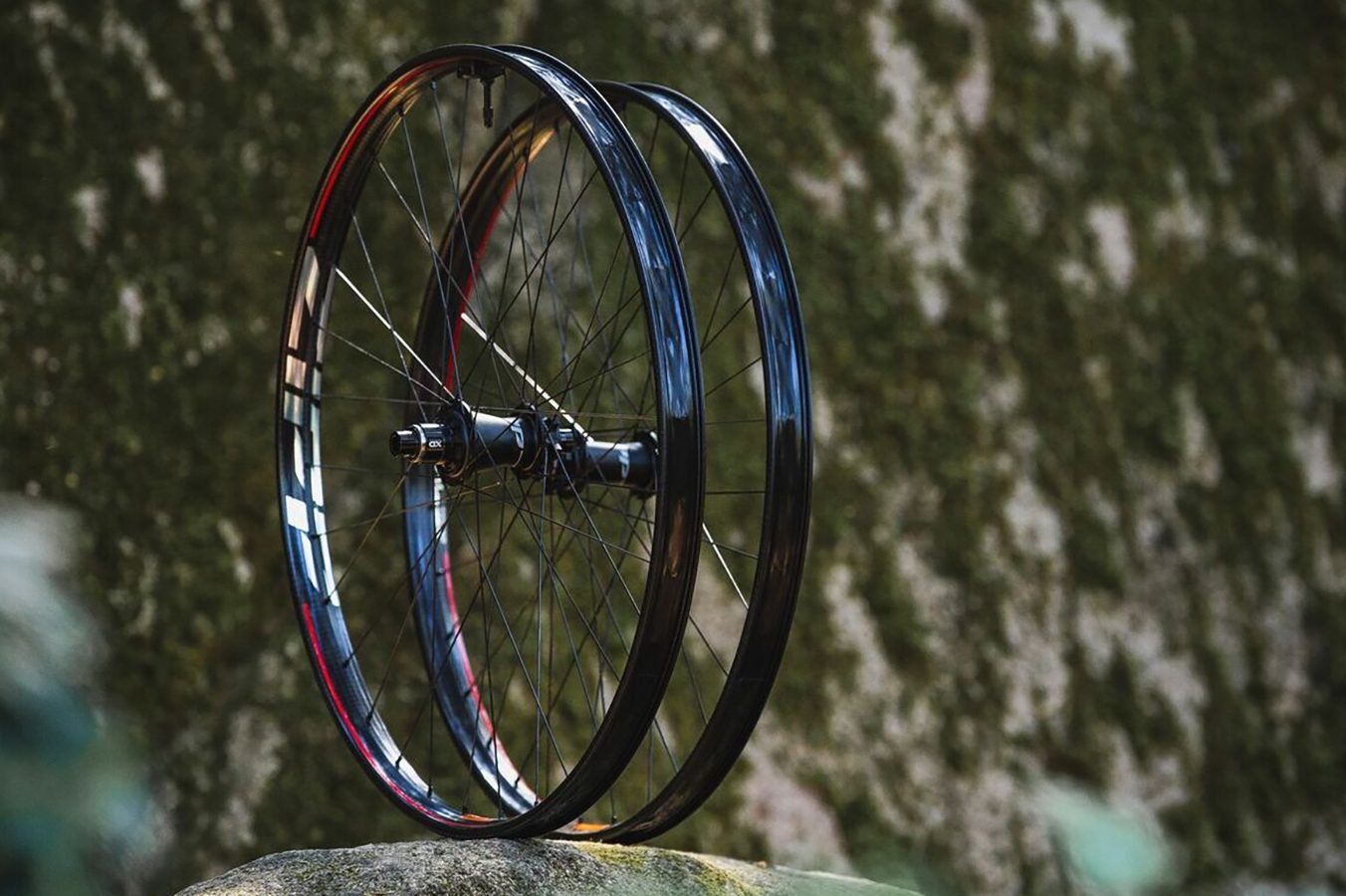
Increasingly, high-end wheelsets are built around carbon fibre rims. Compared to aluminium, carbon rims can be as stiff or stiffer at a lower weight. That's not to say you should completely write off aluminium rims, though.
If you're not concerned with ultimate weight savings or ultimate stiffness, but are looking to upgrade to a higher performance wheelset with an affordable price, then there are many quality aluminium wheelsets to choose from.
Aluminium rims are more likely to be dented or dinged in an impact before they crack or fail entirely. Carbon rims, however, are less likely to show signs of damage until they fail completely.
Rim width
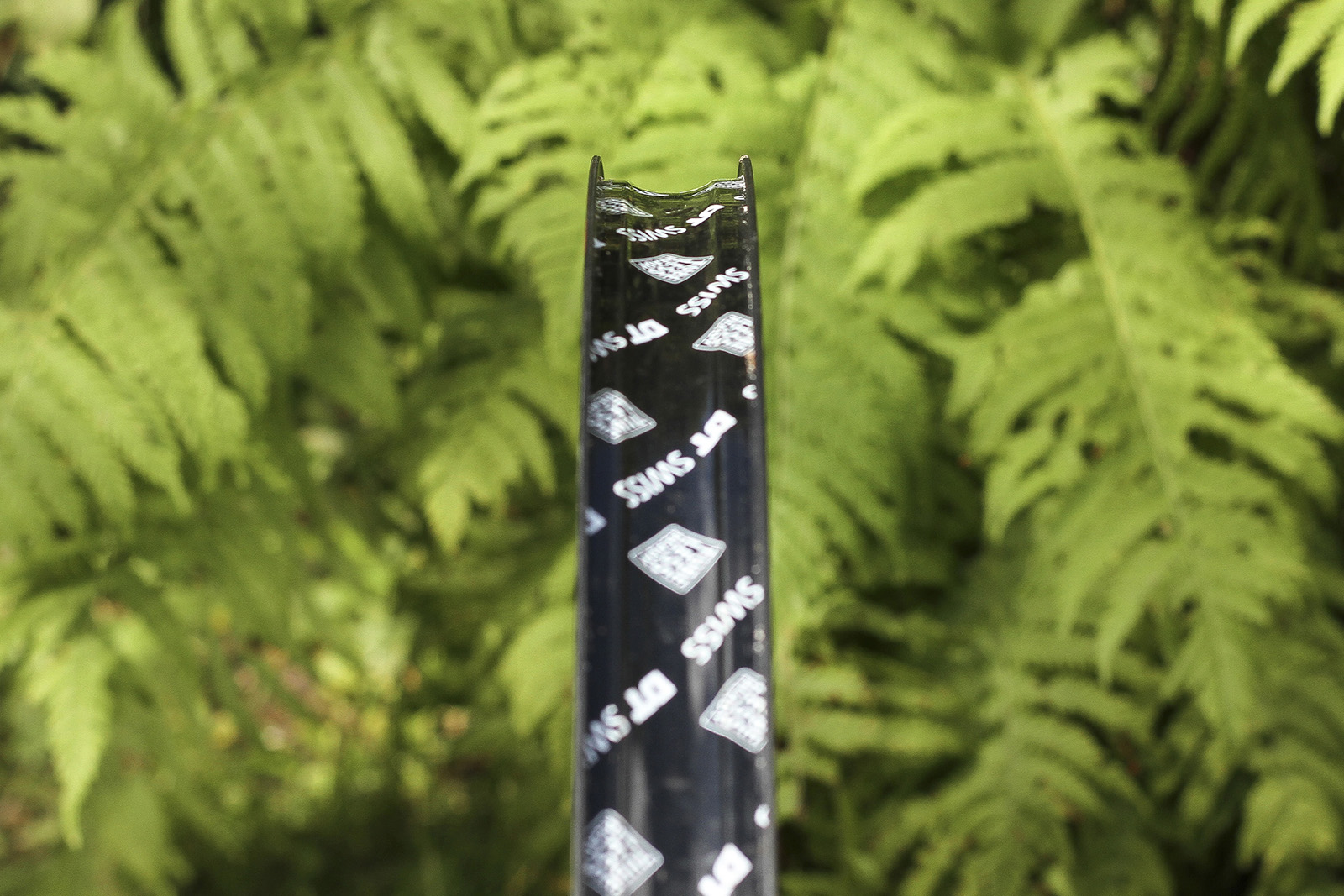
Rim width has increased for both road and mountain bikes. The critical dimension to keep in mind is the internal width.
This distance determines the shape of your tyres. For a given tyre, a wider rim will increase tyre volume and give the tyre a flatter, squared-off profile. A narrower rim will decrease tyre volume and give the tyre a rounder profile.
Wider rims can also increase tyre stability, which can make your bike feel more predictable through corners. At the same time, tyres are designed with specific rim widths in mind. Going too wide can cause the knobs on the sides of a tyre to sit too high, resulting in less grip through turns.
Pairing rim and tyre width is a key consideration – especially with so many tyre widths to choose from. Here are some rough guidelines to get you started:
- 2–2.25in tyres = 23–25mm rim widths
- 2.25–2.4in tyres = 25–30mm rim widths
- 2.4–2.6in tyres = 30–35mm rim widths
- 2.6–3in tyres = 35–40mm rim widths
If you have a favourite tyre width and tread pattern, keep in mind which rim width you want to pair it with when buying a new wheelset.
Tubeless or tubes?
The debate over whether to run inner tubes or to rely on a tyre containing only sealant boils down to personal preference.
Inner tubes are affordable and easy to replace without much fuss (or mess), but they're also prone to punctures and generally require the rider to run higher pressures.
Tubeless systems are lighter and have the added benefit of being able to self-seal some small punctures. Tubeless tyres are more expensive and if you do get a flat, you'll have to deal with a bit of a mess. As a result, you may wonder: is tubeless sealant bad for the environment?
Equally, if you rip the tyre's carcass beyond repair you'll need to dispose of your tyre or use an inner tube anyway.
However you choose to roll, nearly all modern mountain bike wheelsets are tubeless-compatible.
Engagement speed
One often overlooked wheel feature is how fast the freehub engages.
This speed is actually a measure of the distance your crank travels before the pawls inside the freehub engage the teeth of the drive ring to propel you forward. It is most often discussed in terms of 'points of engagement' or 'degrees of engagement'. More points will result in fewer degrees and a faster freehub.
You can figure out the degrees of engagement by dividing the points of engagement by 360. For example, a hub with 36 points of engagement will have 10 degrees of free play. Another hub with 120 points of engagement will have three degrees of movement until it engages.
The differences in engagement speed is noticeable on the trail. In general, a faster freehub is better for pedalling. A hub with a high number of points of engagement will allow you to get back up to speed quickly after coasting with less lag.
It can make it easier to 'ratchet' up technical climbs – a technique where the rider takes a half or quarter pedal stroke in situations where there might not be enough time, or pedal clearance, for a complete stroke.
Engagement can also be a matter of diminishing returns once you reach a certain point. Additionally, the tighter tolerances of fast-engaging freehubs can require more maintenance because they're less tolerant of contamination. They also tend to be louder and can have more drag, although this isn't always the case.
Hub and wheel manufacturer DT Swiss recently speculated that a higher number of engagement points on a mountain bike hub can actually increase pedal kickback (depending on the bike's suspension kinematics). It suggested a hub with 36 points of engagement, and therefore 10 degrees of free play, is the best compromise.